



Falling Charms Quilt Tutorial: Jenny Doan's Easy Charm Pack Quilting Project
There's something magical about opening a brand-new charm pack — all those perfectly coordinated 5-inch squares, just waiting to become something beautiful. If you've ever stared at a stack of charm packs and wondered, "What can I make with these?", Jenny Doan has the perfect answer: the Falling Charms Quilt.
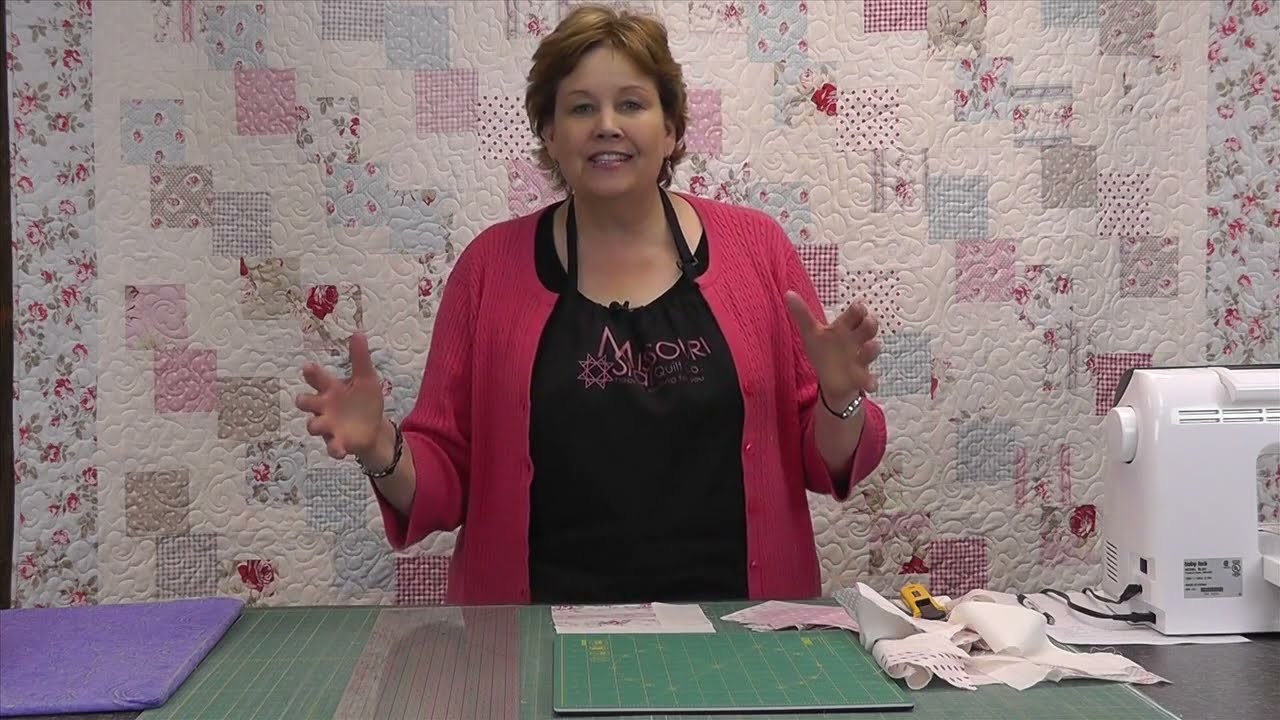
This gorgeous quilt creates a cascading, staircase-like effect that looks incredibly impressive — but here's the secret: it's one of the easiest quilts you'll ever make. Jenny's chain-piecing method means you'll fly through this project, and the results are absolutely stunning. With nearly a million views, this tutorial has helped quilters around the world turn simple charm packs into show-stopping quilts.
What Is a Falling Charms Quilt?
A Falling Charms quilt (sometimes called a "Charm Waterfall" or "Cascading Charms") is a striking design where charm squares are sewn onto strips to create offset, staircase-style columns. Each charm "falls" one step lower than the one before it, giving the quilt a beautiful sense of movement and flow.
What makes this pattern so popular is its simplicity. You're essentially sewing charm squares onto strips of fabric using a chain-piecing technique — one of the fastest methods in quilting. There's no complicated block construction, no triangle math, and no matching points. If you can sew a straight line, you can make this quilt!

What You'll Need
🧵 4 Charm Packs — or 1 layer cake cut into 5" squares. Choose a coordinated collection for a cohesive look. Shop precut fabrics.
🎀 2½" Strips (about 3 yards) — a jelly roll works perfectly, or cut your own from yardage. You'll need enough strips to border every charm. Shop jelly rolls.
✂️ Rotary cutter, ruler & cutting mat — for trimming strips and squaring up. Shop rotary cutters.
🪡 Sewing machine — any basic machine will do
🔥 Iron and ironing board — pressing is key to keeping those seams neat
🧶 Backing fabric & batting — sized to your finished quilt top plus 4" on each side. Shop batting.
Tip: Jenny mentions you'll need "a little more than one jelly roll" worth of strips. If you're cutting your own, about 3 yards of a solid or neutral fabric cut into 2½" strips will give you plenty.
Step-by-Step Instructions
Step 1: Prepare Your Charm Squares
Start by opening your charm packs and giving each square a quick press with your iron. If you're using a layer cake instead, cut each 10" square into four 5" squares. You'll want approximately 160 charm squares total for a generous lap-size quilt.
Sort your charms loosely by color family if you want a more intentional color flow, or keep them random for a fun, scrappy look. Either way works beautifully!
Step 2: Chain Piece Charms to the First Strip
This is where Jenny's genius chain-piecing method makes everything fast. Lay out a 2½" strip on your sewing machine. Place your first charm square right sides together on one end of the strip, and sew down the right side with a ¼" seam allowance.
Don't cut the thread or remove the strip! Simply butt the next charm square right up against the first one and keep sewing. Continue adding charms until the entire strip is full. Then start another strip and keep going until all your charms have a strip sewn to one side.

Jenny demonstrates her speedy chain-piecing method — it's faster than you'd think!
Step 3: Trim and Press
Once all your charms are sewn to their first strip, it's time to trim. Cut between each charm square so you have individual charm-plus-strip units. You can use scissors if you're careful, but a rotary cutter and ruler will give you more precise cuts.
Take your trimmed units to the ironing board and press the seam open toward the strip (the lighter fabric). Pressing to the light side gives a cleaner finish and reduces bulk.
Step 4: Add the Second Strip
Now you'll add a strip to the opposite side of each charm. Just like before, lay your charm-and-strip unit on a new 2½" strip, right sides together, and sew down the left side. Chain piece all of them just as you did in Step 2.
When you're done, trim between each unit and press the seams open. You should now have completed units that look like a charm square with a strip on each side — like a little rectangular block.
Step 5: Arrange Your Falling Pattern
Here's where the magic happens! Lay out your completed charm-strip units in columns. In each column, offset each block by half a strip width (about 1¼") from the one above it. This creates the signature "falling" or cascading staircase effect.
Play with the arrangement until you're happy with the color flow. Some quilters like to have all charms "falling" in the same direction, while others alternate directions for a zigzag look.

Step 6: Sew Your Columns Together
Starting from one side, sew your columns together with ¼" seam allowances. Press seams in alternating directions between columns so they nest together neatly. Take your time matching up the offset — a few pins at each junction will keep everything aligned.
Continue adding columns until your quilt top is the size you want. For a lap quilt, 8–10 columns is usually perfect.
Step 7: Square Up and Finish
Once all your columns are sewn together, square up the edges of your quilt top with a long ruler and rotary cutter. The offset pattern will create a jagged edge on the top and bottom — simply trim this to a straight line.
Layer your quilt top with batting and backing, quilt as desired, and add binding. A simple straight-line quilting pattern or gentle meandering works wonderfully with this design!
Pro Tips for a Perfect Falling Charms Quilt
💡 Use a design wall: If you have a design wall (or even a flannel sheet on the wall), lay out all your blocks before sewing columns. This lets you balance colors and avoid putting two similar charms next to each other.
💡 Mix your charm packs: Using four different charm packs from the same color family creates beautiful variety while maintaining cohesion. Jenny loves mixing collections from the same designer.
💡 Chain piece everything: The entire point of this quilt is speed! Don't stop to cut between charms while chain piecing — the more you batch, the faster you'll finish.
💡 Consider your strip color: The strips frame every charm, so they'll be the most visible fabric in your quilt. A crisp white or cream creates a bright, modern look; a dark solid adds drama; and a coordinating print adds texture.
The Falling Charms quilt is proof that simple techniques can create stunning results. With Jenny's chain-piecing method, you can go from charm packs to a finished quilt top in a single afternoon. So grab those charm packs you've been collecting, pick a beautiful strip fabric, and let those charms fall into place!
More Charm Pack Ideas
Got another charm pack in your stash? Start with 15 Free Charm Pack Quilt Patterns for Beginners — our full roundup of free patterns, video tutorials, and how many packs each quilt size needs.