

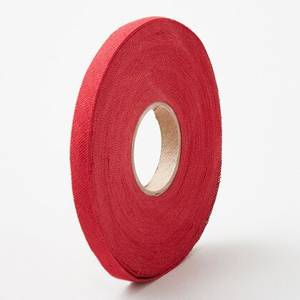
Bias Binding & Quilt Binding Tools
Everything you need to finish a quilt’s edge: bias tape makers, bias and binding rulers, The Binding Tool, binding spools and premade double-fold bias tape. New to binding? Start with Quilting Binding 101. read more
Everything you need to finish a quilt’s edge: bias tape makers, bias and binding rulers, The Binding Tool, binding spools and premade double-fold bias tape. New to binding? Start with Quilting Binding 101.
-
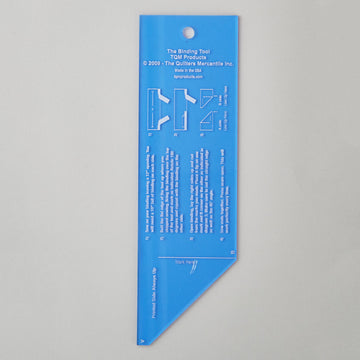 The Binding Tool
$9.00
The Binding Tool
$9.00
-
 Diagonal Seam Tape
$7.25
Diagonal Seam Tape
$7.25
-
 The Bias Ruler
$21.95
The Bias Ruler
$21.95
-
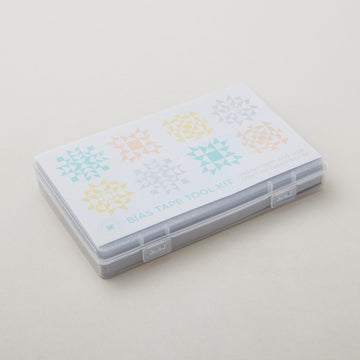 Missouri Star Bias Binding Tool Kit
$14.95
Missouri Star Bias Binding Tool Kit
$14.95
-
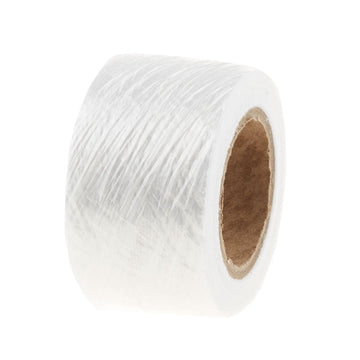 Bosal Batting Seam Tape
$9.95
Bosal Batting Seam Tape
$9.95
-
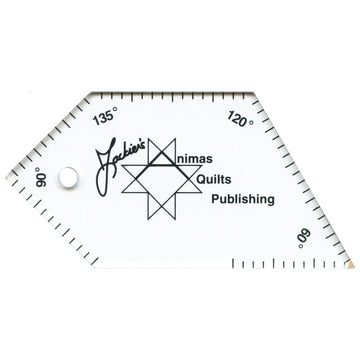 Binding Miter Tool
$5.75
Binding Miter Tool
$5.75
-
 Bias Tape Maker - 3/4"
$8.25
Bias Tape Maker - 3/4"
$8.25
-
 Fusible Bias Tape Maker (3/8" or 9mm)
$9.45
Fusible Bias Tape Maker (3/8" or 9mm)
$9.45
-
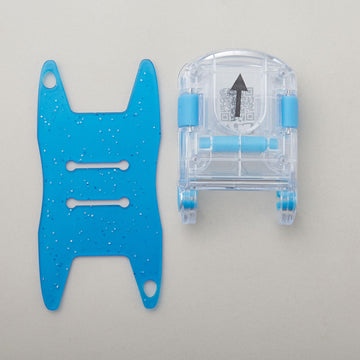 Magic Binding Maker - 2-1/2"
$26.75
Magic Binding Maker - 2-1/2"
$26.75
-
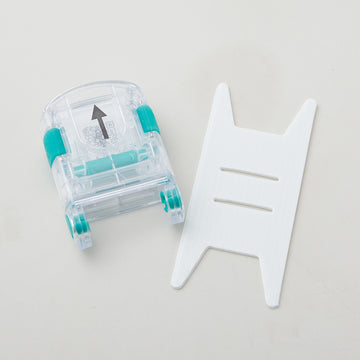 Magic Binding Maker - 2-1/4"
$26.75
Magic Binding Maker - 2-1/4"
$26.75
-
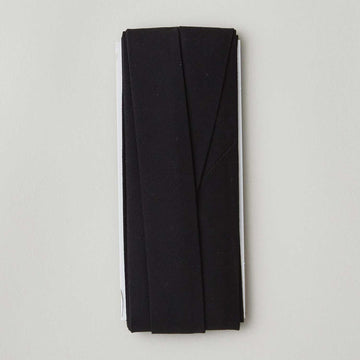 Wrights Quilt Binding Double Fold Bias Tape - Black
$3.89
Wrights Quilt Binding Double Fold Bias Tape - Black
$3.89


Bias Binding & Quilt Binding Tools

The final step for a painter is choosing a frame for the masterpiece. The final step of sewing a quilt is enclosing the raw edges of the quilt’s layers in a binding. You can find the materials and tools you need to bind a quilt here at Missouri Star. We have lots of free tutorials to help you learn easy techniques for quilt binding. In the tutorials below, we answer burning questions such as: What is the easiest way to bind a quilt? How wide should quilt binding be? What is quilting bias and binding for quilts? How do you make a continuous bias binding for a quilt? Do I have to use bias binding for my quilt?
First off, after your quilt has been quilted and before you add a binding, you need to square and trim the quilt. Watch this tutorial from Natalie to learn how to square and trim quilts with borders, quilts without borders, whole-cloth quilts, and quilts with curved or angled corners.
Once your quilt has been squared and trimmed, you are ready to bind it. In her video, The Ultimate Quilt Binding Tutorial, Jenny takes you through the quilt binding process from start to finish. Because she is binding a square quilt in this video, Jenny shows you how to make straight quilt binding tape rather than bias binding. Straight binding is easier to make than bias binding and is perfectly acceptable for quilts with straight edges. How wide quilt binding should be is a matter of personal preference. Jenny likes to use binding that is 2½” wide. She shares many more helpful tips in the tutorial.
Now that we have shown you the easiest way to bind a quilt, you are probably wondering why anyone would ever use quilting bias tape. Here’s the reason… Straight binding works well for straight edges, but it doesn’t work well for curves. When woven cloth is cut on the bias–at a 45° angle–the cloth will stretch; there will be some “give” to it. Therefore, when you need binding to fit around scalloped edges or rounded corners on a quilt, it is best to use bias tape. If you don’t have time to make your own, premade double-fold bias tape is ready to sew straight from the package. But it is not difficult to make quilt bias in whatever fabric you choose.
How do you make quilting bias? In this Continuous Bias Binding tutorial (below), Jenny shows you how to make 200” of bias binding from ½ yard of fabric! Please note that the ruler used at the start of this video is no longer available at Missouri Star; however, you may like the improved version–the Bias Binding Simplified Ruler. The nifty thing about Jenny’s technique is that you only have to sew one seam! If you’d rather skip the tube method, The Bias Ruler cuts bias strips straight from flat yardage. There are other ways to make bias quilt binding tape, too. Watch how Natalie makes it and stitches it onto several curved pieces in her tutorial, How to Bind Curves and Circles with Bias Binding.
In their tutorials, both Jenny and Natalie estimated the amount of binding they needed to finish their quilts. Are you feeling nervous about doing this? We have a special tool–The Quilt Binding Tool– that takes the guesswork out of the process. Jenny shows you how to use it in this tutorial, The Quilt Binding Tool Explained.
By the way, there are other reasons to use fabric tape. Some folks use bias tape to make intricate Celtic quilt designs. Others use straight tape to craft Japanese meshwork. These artisans may be interested in a Bias Tape Maker. We carry these in several sizes and options to add fusible web or not.
Are you looking for a super fast way to finish a quilt? Watch Jenny demonstrate how to finish a Self-Binding Quilt. And if quilt binding is just not your thing, you can always depend on our professional Machine Quilting Services. Just send us your quilt; we will expertly quilt, trim, and bind it for you. Get a custom quote on our website.
Jenny is famous for saying, “Finished is better than perfect.” No matter how you decide to finish your quilt, Missouri Star is ready to help you with quilt binding tape, quilt binding tools, and tutorials to help you get the job done!
Quilt Binding FAQ
How much binding do I need for my quilt?
Add up the four sides of your quilt, then add about 10–12” for joining the ends and turning the corners. Divide by 40 (the usable length of one width-of-fabric strip) to get the number of strips. A 60” x 70” throw needs about 272” of binding, or 7 strips. At 2½” wide that’s 17½” of fabric, so buy ½ yard. Our binding yardage guide walks through more sizes.
Do I need bias binding, or is straight-grain binding OK?
Straight-grain binding works well on quilts with straight edges, and it’s faster to cut. Use bias binding when the edge curves, like scallops, rounded corners, circles or Drunkard’s Path borders. Bias strips have a little stretch, so they lie flat around a curve without puckering.
What width should I cut my binding strips?
Jenny cuts her strips 2½” wide and folds them in half for a double-fold binding. Some quilters prefer 2¼” for a narrower finish. The Creative Grids Bias Binding Simplified Ruler is marked for both widths.
Will the bias tape maker kit make 2½” quilt binding?
No. The Missouri Star Bias Binding Tool Kit takes strips from ½” up to 2” wide and folds them into ¼” to 1” single-fold tape (or ⅛” to ½” double-fold). Customers use it for applié stems, bag handles, Lori Holt baskets and small projects. For standard 2½” quilt binding, fold your strips in half and press.
How do I get a neat join where the binding ends meet?
The Binding Tool takes the guesswork out of the last seam. You make two measurements and two cuts, then sew the ends together on the diagonal so the join lies flat. It’s one of our best-reviewed notions. A few customers found it confusing the first time, so watch Jenny’s Binding Tool video before you start.
Is premade bias tape good enough for a quilt?
Yes. Wrights double-fold quilt binding comes pre-creased and ready to sew. It’s 7/8” wide and sold in 3-yard packages, which suits baby quilts, table runners and placemats. A throw takes about 8 yards, so plan on three packages.
Want to learn more? Read our complete guides:
- Quilting Binding 101: Your Complete Guide — Binding methods, fabric choices, and professional finishing techniques
- Quilt Binding Step-by-Step — Detailed instructions from prep to perfect mitered corners