For anyone sewing their first quilt or planning their next showstopper, understanding quilt patterns can change how you approach every project. Let’s walk through how they work and why they’re worth your attention.
Quilt Patterns Give Your Project A Clear Path
When you’re holding a stack of fabric and imagining the quilt it could become, a pattern helps bring that idea to life. It walks you through every step, cutting, piecing, and assembling, so you can focus more on the fun parts.
You’ll Find A Pattern For Every Skill Level
You don’t have to be a seasoned quilter to get started. We offer patterns designed for beginners, advanced quilters, and everyone in between. Many include visual guides and companion tutorials to make things easier. The goal is to help you build confidence with each project and allow you to grow at your own pace.
Structure Lets Your Creativity Shine
Quilt patterns don’t limit your creativity; they support it. Once you understand the layout, you can swap colors, experiment with fabrics, or tweak the block arrangement. That balance between guidance and freedom makes quilting approachable and endlessly inspiring.
A Pattern Helps You Avoid Costly Mistakes
Fabric is an investment. A detailed pattern gives you accurate measurements, supply lists, and a step-by-step guide so you don’t waste material or time. It’s also the quickest way to spot whether a project suits your timeline and comfort zone before you make your first cut.
Patterns Preserve & Pass Down Traditions
Quilt patterns connect you with generations of makers. For quilters who are revisiting a classic log cabin block or stitching a modern twist, every project becomes a way to carry on tradition. They also make meaningful gift ideas for quilters, allowing them to share skills, stories, and handmade beauty across generations.
What Should You Consider When Choosing A Pattern by Skill Level?
Choosing a quilt pattern is about finding the right fit for your skills, schedule, and creative goals. For people who are new to the craft or sharpening their technique, selecting a pattern that matches your experience level helps you enjoy every part of the quilting process. A well-chosen pattern keeps your project moving forward and turns challenges into learning opportunities.
Start With Patterns That Match Your Comfort Level
Beginner patterns often use fabric squares and rectangles, helping you focus on clean seams and straight lines without complicated construction. These projects offer structure while teaching fundamentals. If you're more advanced, patterns that introduce appliqué, curves, or intricate piecing provide rewarding challenges and push your creativity further. The correct pattern balances fun and skill-building, helping you develop confidence as you go.
Consider The Size Of The Project
Not every quilt needs to be a full-sized bedspread. Lap, baby, and wall hanging quilts give you quicker wins and valuable practice. A sampler quilt or king-size layout might be the right call if you're working on a long-term piece. Just be sure the timeline fits your available quilting hours. Size choice affects everything from materials needed to how manageable the project feels.
Think About The Techniques You Want To Learn
Your next project is a great chance to try something new. Look for patterns that align with techniques you want to explore, like flying geese, paper piecing, or curved seams. This helps you stay engaged while building skills with a clear purpose. New skills add long-term value and can open the door to more ambitious projects.
Review The Materials & Tools Required
Check if the pattern works with precuts like charm packs or jelly rolls, or if you’ll cut from yardage. Some patterns also require specialty rulers or templates. Ensure you have the essentials on hand to avoid delays once you’re ready to sew. Knowing your tools helps streamline your setup and saves time during crafting hours.
Make Sure Instructions Match Your Learning Style
Clear, step-by-step instructions with diagrams or video tutorials can make complex patterns more straightforward to follow. Especially if you're learning a new technique, patterns with visual aids and written support help you stay confident from the first stitch to the final seam. Good guidance can make the difference between frustration and satisfaction.
At Missouri Star Quilt Co., every pattern is a fresh start. If you’re crafting a heartfelt gift or building skills block by block, our quilt patterns are made to support your journey. From timeless designs to creative layouts, you’ll find just what you need to stitch something meaningful. Pick your pattern and bring your next quilt to life today.
Mastering Precut Magic: Patterns For Charm Packs, Jelly Rolls, & Layer Cakes
Precut fabric bundles make quilting easier, faster, and fun. If you're ready to work smarter and create something beautiful, understanding how to pair the correct quilt pattern with your charm packs, jelly rolls, or layer cakes is a great place to start.
Understanding What Precuts Are & Why They Matter
Precuts are fabric collections already cut to standard sizes, saving you time on prep and measuring. Charm packs (5" squares), jelly rolls (2.5" strips), and layer cakes (10" squares) offer flexibility, color variety, and consistency in your piecing. With less cutting required, you can spend more time sewing and finishing.
How To Match Precuts With The Right Quilt Pattern
Each precut has strengths that work best with specific patterns. Jelly rolls are great for strip quilts or border designs. Charm packs shine in patchwork layouts. Layer cakes make quick work of large block quilts or modern layouts with fewer seams. Choosing patterns that match the size and quantity of your precuts ensures better results with less trimming and waste.
Favorite Quilt Patterns That Work With Precuts
Use jelly rolls for a rail fence or trip-around-the-world quilt. Try disappearing nine-patch or pinwheel designs with charm packs. Big block quilts and samplers are ideal for layer cakes. These beginner-friendly patterns are fast to sew and allow the fabric to take center stage. Using themed dinosaur fabric precuts adds charm and excitement without added complexity for kid-friendly quilts.
Tips To Get The Most From Your Precut Projects
Press your fabrics before starting. Lay out your design before sewing. Use patterns that don’t require extra trimming. Keep a rotary cutter and ruler handy for touch-ups. Precuts are meant to speed up the process, but a little prep keeps your seams accurate and your blocks crisp.
Why Mixing Precuts Adds Visual Interest
Don’t feel boxed into one collection. Mixing charm squares, strips, or cakes from different bundles adds depth and texture. Leftover strips from one project can become borders or sashing for the next. It’s a practical way to reduce waste while building a more dynamic quilt design.
How To Resize A Quilt Pattern Without The Math Stress
You have the perfect quilt pattern, but the dimensions don’t fit your project needs. Whether you’re scaling up for a king-sized bed or shrinking down for a baby gift, resizing doesn’t need to involve complicated math.
Use these straightforward steps to adjust with confidence:
- Start With A Clear Goal Size: Define the quilt dimensions you want: crib, throw, twin, queen, or king. Use standard size charts as a reference, and write down your finished size target before making layout decisions.
- Review the Pattern’s Block Size: Check the size of each quilt block. Multiply the rows and columns to calculate the total quilt top dimensions. This gives you a baseline for adjustments.
- Add or Remove Full Blocks: To make the quilt larger, increase the number of rows and columns. To scale it down, reduce the count. Stick with whole blocks to avoid resizing individual pieces.
- Incorporate Borders For Extra Inches: Add one or more borders around your quilt blocks to extend the size without redesigning. Borders are an easy way to gain width and length while enhancing visual framing.
- Use Sashing To Expand The Layout: Insert sashing strips between blocks to increase the overall size. This adds clean separation and gives you more room without changing block size.
- Sketch It With Graph Paper: Draw your layout on graph paper or use quilting design software. Seeing the layout visually helps confirm spacing, block placement, and proportions.
- Choose Backing Fabric That Supports Your Adjustments: As your quilt grows in size, your backing needs will shift, too. Using 108-wide quilt backing can simplify finishing large quilts with no piecing required, just smooth, seamless coverage.
Quilt patterns don’t need to be one-size-fits-all. With a few simple adjustments and a clear plan, you can shape any design to fit your needs, without second-guessing your math. For expanding a cherished block layout or scaling down for something more personal, resizing gives you the freedom to quilt your way. Keep these strategies on hand, and your next quilt will be sized to fit your vision perfectly.
Turning Vintage Blocks Into Fresh Patterns
Working with vintage quilt blocks means holding a piece of history; each stitch, print, and frayed edge tells a story. Your job is to decide how that story continues. These ideas help you shape something new, meaningful, and beautiful from the blocks of the past. It’s a hands-on way to honor craftsmanship while making something all your own.
Assess Block Condition
Check each vintage block for wear, stains, or fragile fabric. Stabilize any weak areas before planning your layout to ensure durability and sewing ease. Light interfacing can reinforce delicate fabric without changing its appearance, helping preserve the block’s integrity while extending its life within your new design.
Combine Styles Thoughtfully
Mix blocks from different eras or patterns with solids or prints. Pairing vintage with modern fabrics can add visual balance and bring fresh energy to your quilt. Consider contrast carefully: bold solids can let heritage blocks stand out, while low-volume prints offer subtle texture that doesn’t compete with traditional motifs.
Frame & Space Creatively
Use borders, sashing, or cornerstones to unify odd-sized blocks. This approach keeps your layout clean and turns mismatched blocks into a cohesive design. You can also use tonal or textured fabrics in framing pieces to visually link blocks from different collections without overpowering their individual charm.
Add Personal Details
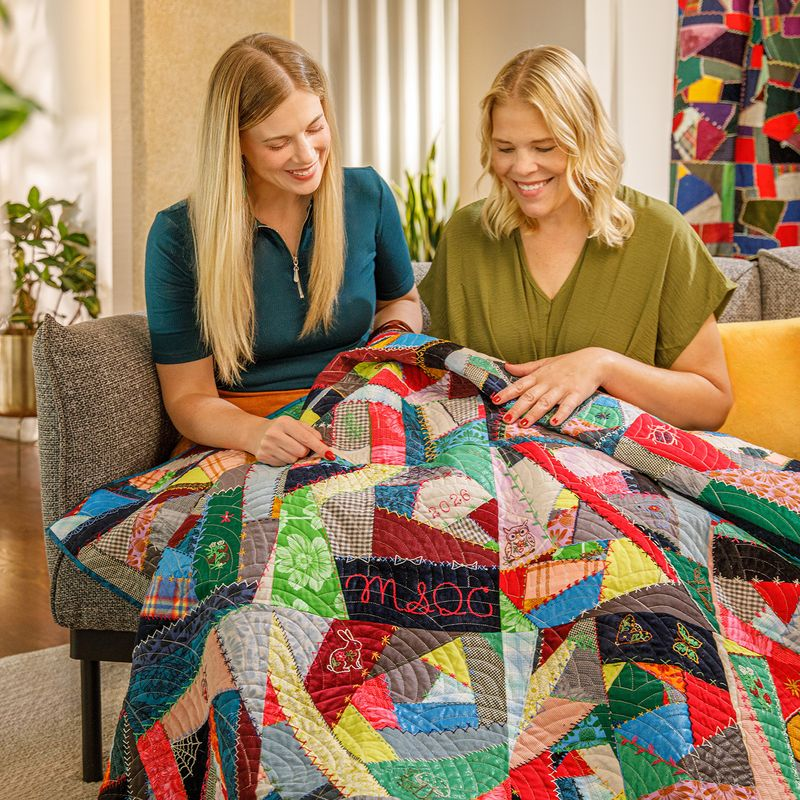
Incorporate meaningful embroidery, printed photos, or names to make your quilt more than just a project; it becomes a keepsake full of personal touches. These accents make the quilt a conversation piece and can be passed on as a family heirloom for generations. It’s a great idea, especially when repurposing vintage blocks into baby quilt kits, where memory and meaning go hand-in-hand.
Design Around The Blocks
Lay your blocks out before sewing to experiment with spacing, color placement, and orientation. Use graph paper or design software to map it all out clearly. Even a quick layout photo on your phone can help guide your assembly as you work through the design step-by-step.
Read also: