Most sewing machine models come with a few presser feet that are considered “standard.” However, the selection of sewing feet varies by model and vendor, and there are many different sewing machine feet that can be purchased separately. We are pleased to offer a wide selection of sewing machine feet types from vendors such as Bernina, Bernette, Eversewn, Baby Lock and more.
Many of these sewing machine presser feet are designed for specific purposes, and some of them can be quite specialized! You will need to consult your sewing machine manual to determine which sewing machine foot is compatible with your machine, but here are some of the most common sewing machine feet and how to use them:
Standard Presser Foot/Zigzag Foot
This sewing presser foot is usually included with most sewing machines and is designed for straight stitches, zigzag stitches, and some decorative stitches. It is also called a general-purpose sewing presser foot, as it can be used for most common sewing stitches and needs.
Zipper Foot
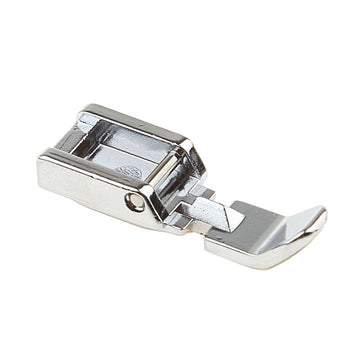
This sewing machine foot allows you to sew very close to the zipper teeth when attaching a zipper to fabric, enabling precise stitching along the zipper line without damaging the zipper itself. A sewing machine zipper foot typically has a narrow toe and can be adjusted to sew on either side of the zipper, depending on the application.
Buttonhole Foot
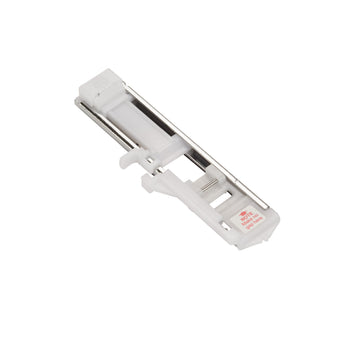
As the name suggests, this presser foot is designed specifically for sewing buttonholes using your machine’s buttonhole setting (if it has one). Most machines typically have either a 1-step or 4-step buttonhole setting to use with this sewing machine foot, allowing you to create consistent buttonholes in different sizes.
Overcast Foot
An overcast foot is a specialized sewing accessory that allows the thread to wrap around the edge of the fabric, creating a finished edge that prevents fraying. Often called an overedge foot or an overlocking foot, it is a valuable tool that can give your finished edges a look similar to that produced by a serger, all while using a regular sewing machine.
Hemmer Foot
If hemming is your specialty, multiple types of hemming feet are essential in your sewing room! A hemming presser foot is the general term for a sewing foot that automatically curls the fabric edge under while stitching; as you can imagine, it’s great for hems that are too small to do by hand!
A rolled hem presser foot (sometimes also called a narrow hem foot) is a more specific type of hemmer foot that features a guide to help fabric roll under as you stitch, while a blind hem foot can be used to stitch a hem that is nearly invisible from the right side of the fabric.
Walking Foot
A walking presser foot is invaluable when working with challenging fabrics! It can be used for sewing multiple layers of fabric or slippery fabrics, and it can also help you match stripes and plaids by preventing the fabrics being stitched together from shifting. Each walking foot for sewing machine has feed dogs grip the fabric from the top, ensuring even feeding and preventing slippage.
Quilting Presser Foot
Quilting feet can turn virtually any domestic home sewing machine into a free motion quilting machine! Sometimes also called a “ruler foot,” this type of presser foot is a quilter’s best friend because it can be used for free-motion quilting to finish projects at home! A quilting foot has a round or open toe that allows for greater visibility and maneuverability as you stitch. If your machine does not come with a quilting foot, you can purchase either a high or low shank ruler foot separately to fit your machine. Not sure what type you need? Watch the video below to learn the difference between low and high shank sewing machines!
VIDEO
Teflon Foot
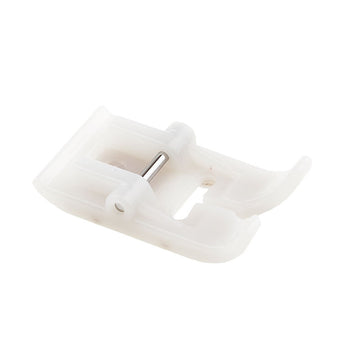
This non stick presser foot is designed for sewing difficult materials like leather, plastic, and vinyl. Popular presser feet, including zipper and zigzag feet, are also available with a Teflon coating.
Applique Foot
An applique presser foot is designed to provide a clear view of your stitch area, making it easier to follow outlines and corners. This type of presser foot is made from transparent plastic, which enhances visibility while you sew. Additionally, it is shorter than most presser feet, allowing for greater maneuverability around curves and corners when working with applique pieces.
Embroidery Foot
This versatile presser foot can be used for attaching beads, creating decorative stitches, monogramming, and even free-motion darning! Various types of embroidery feet are available, depending on the manufacturer and the specific machine you own. Most embroidery feet feature an open toe design with a wide channel beneath the sole, allowing them to glide smoothly over thicker and wider stitch formations without affecting the fabric feed.
Gathering Foot
From gentle ruffles to beautiful pleats, a gathering foot is used to create soft, attractive creases and gathers in your fabric. This presser foot is perfect for garment sewing as well as home decor—imagine the possibilities!
Cording Foot
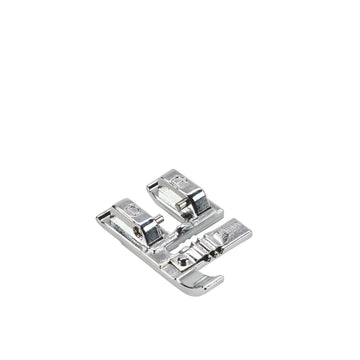
Easily attach decorative cords and threads with a cording foot designed to prevent tangling. This foot ensures that the cords lie flat and parallel as you sew. It is perfect for creating decorative stitching over cording on both single and double layers of fabric. A cording foot for sewing machines will help control the threads, allowing you to guide the fabric with both hands.
Using the correct sewing machine feet can open up a world of creative possibilities. Whether you are quilting, doing decorative stitching, or working with challenging materials, this sewing machine foot guide aims to help you select the right presser foot to enhance your sewing experience. With the right presser feet, anything is possible!



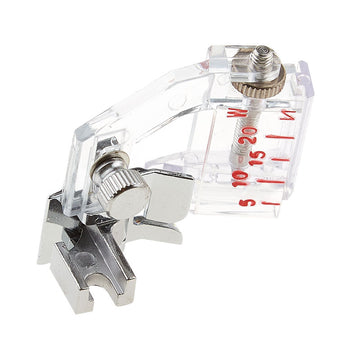 Baby Lock Adjustable Bias Binder Foot
$39.99
Baby Lock Adjustable Bias Binder Foot
$39.99
 Baby Lock General Purpose Foot - Accomplish
$30.99
Baby Lock General Purpose Foot - Accomplish
$30.99
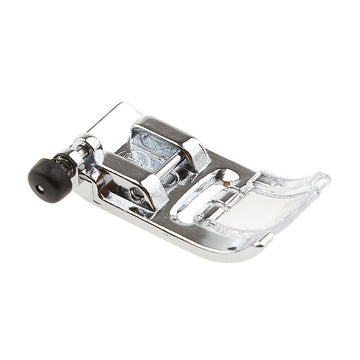 Baby Lock General Purpose Zig Zag Foot
$19.99
Baby Lock General Purpose Zig Zag Foot
$19.99
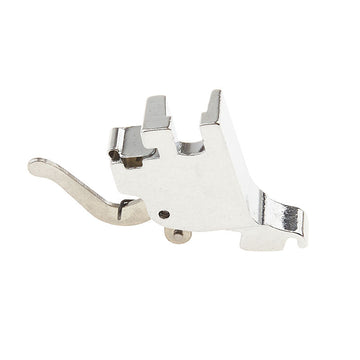 Baby Lock Master Shank
$19.99
Baby Lock Master Shank
$19.99
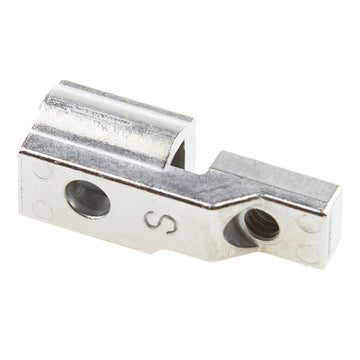 Baby Lock Presser Foot Adapter
$19.99
Baby Lock Presser Foot Adapter
$19.99
 Baby Lock Teflon Foot
$19.99
Baby Lock Teflon Foot
$19.99
 Baby Lock Teflon Zipper Piping Foot
$19.99
Baby Lock Teflon Zipper Piping Foot
$19.99
 Bernette Blindstitch Foot - fits B79/B77
$21.99
Bernette Blindstitch Foot - fits B79/B77
$21.99
 Bernette Button-Sew-On Foot - fits B79/B77
$21.99
Bernette Button-Sew-On Foot - fits B79/B77
$21.99
 Bernette Buttonhole Foot with Slide - fits B79/B77
$38.99
Bernette Buttonhole Foot with Slide - fits B79/B77
$38.99
 Bernette Cording Foot - fits B79/B77
$21.99
Bernette Cording Foot - fits B79/B77
$21.99
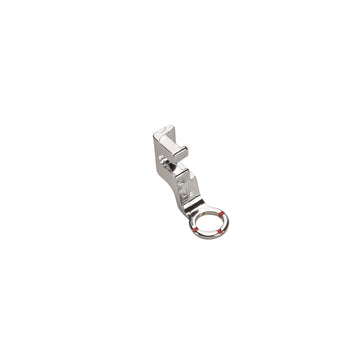 Bernette Darning/Embroidery Foot - fits B79
$21.99
Bernette Darning/Embroidery Foot - fits B79
$21.99
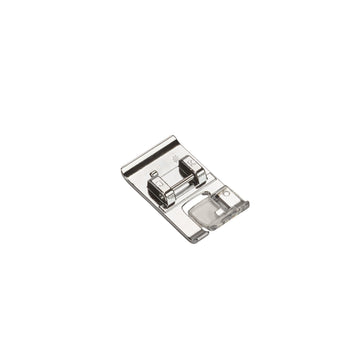 Bernette Embroidery Foot - fits B79/B77
$16.99
Bernette Embroidery Foot - fits B79/B77
$16.99
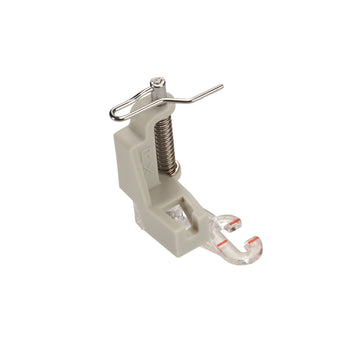 Bernette Free-Motion Embroidery Foot - fits B79/B77
$27.99
Bernette Free-Motion Embroidery Foot - fits B79/B77
$27.99
 Bernette Gathering Foot - fits B79/B77
$27.99
Bernette Gathering Foot - fits B79/B77
$27.99
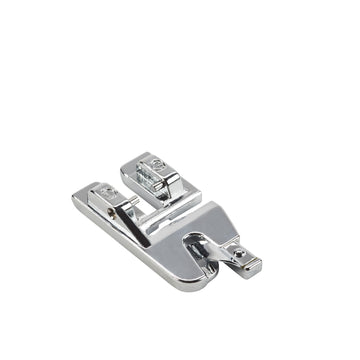 Bernette Hemmer Foot - fits B79/B77
$27.99
Bernette Hemmer Foot - fits B79/B77
$27.99
 Bernette Hopper Embroidery Foot - fits B79
$27.99
Bernette Hopper Embroidery Foot - fits B79
$27.99
 Bernette Invisible-Zipper Foot - fits B79/B77
$38.99
Bernette Invisible-Zipper Foot - fits B79/B77
$38.99
 Bernette Open Embroidery Foot - fits B79/B77
$21.99
Bernette Open Embroidery Foot - fits B79/B77
$21.99
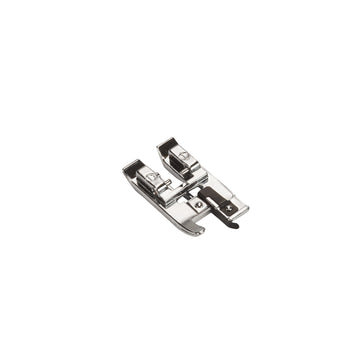 Bernette Overlock Foot - fits B79/B77
$21.99
Bernette Overlock Foot - fits B79/B77
$21.99
 Bernette Presser Foot Holder - for B79/B77
$27.99
Bernette Presser Foot Holder - for B79/B77
$27.99
 Bernette Ruler Foot - fits B79/B77
$64.99
Bernette Ruler Foot - fits B79/B77
$64.99
 Bernette Straight-Stitch Foot - fits B79/B77
$16.99
Bernette Straight-Stitch Foot - fits B79/B77
$16.99


