


1930s Reproduction Fabric
Travel back to simpler times with our selection of sweet 1930s fabric, vintage fabrics and darling feedsack prints. We have just what you need to make a lovely 1930s reproduction quilt with your favorite vintage fabric in pretty pastel colors. read more
-
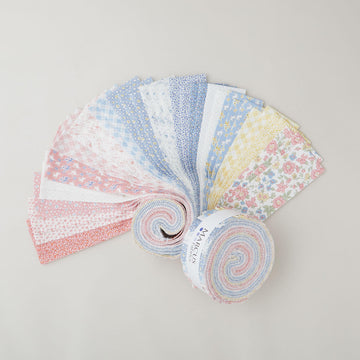 Aunt Grace Rock My Baby 2 1/2" Strips
$39.00
-
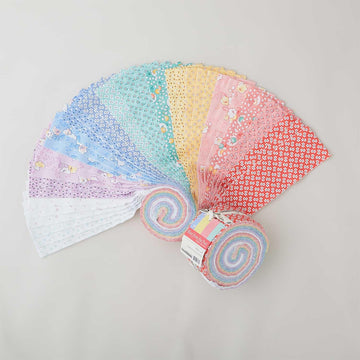 Blast from the Past Favorites Roll Up
$42.95
-
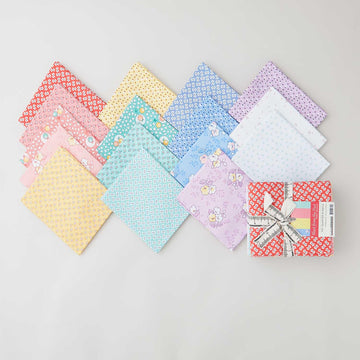 Blast from the Past Favorites Fat Quarter Bundle - 16 Piece
$64.00
-
 Aunt Grace 108" Premium Quilt Backs - Roses Cream Yardage
$5.19
-
 Aunt Grace Loves U - Floral Red Yardage
$3.01
-
 Aunt Grace 108" Premium Quilt Backs - Viney Floral Blue Yardage
$5.19
-
 Aunt Grace 108" Premium Quilt Backs - Flowers Red Yardage
$5.19
-
 Aunt Grace Rock My Baby - Plaid Blue Yardage
$3.01
-
 Blast from the Past Favorites - Blue Tiny Squares 8 Yard Bolt
$100.00
-
 Aunt Grace Goes Bold - Flower Garden Multi Yardage
$3.16


1930s Reproduction Fabric
Reproduction fabric can encompass many eras, but when it comes to early 20th century fabrics, the word "feedsack" should be one of the first things you think of! 1930s fabric collections are defined by this historical time in American history; keep reading to learn more!
Feedsack Fabric History
When the price of cotton dropped in the 1920’s, manufacturers of flour, sugar, salt, beans, rice, cornmeal, and feed for animals began packaging these products in cotton sacks rather than the barrels they had previously used. At first, these sacks were plain and only had the company logo stamped on them. But when manufacturers learned that thrifty people used the feedsacks to make undergarments, bedding, dishtowels, aprons, and clothing for their families, they started hiring artists to create special designs for them.
By the late 1930’s manufacturers were in stiff competition to design attractive prints for their sacks and even developed patterns for stuffed toys and quilt blocks. One feedsack could make a child’s shirt or dress; 3 sacks were enough for a woman’s dress. In fact, the use of feedsacks for household sewing was considered patriotic and continued across all income levels throughout and beyond WWII.
1930s Reproduction Quilt Fabrics
Many sewists today enjoy using reproduction 1930 fabric reproductions for their quilting and apparel projects. They appreciate feedsack fabric history as well as the timelessness of these vintage fabric reproductions.1930s fabrics will look fabulous in any quilt project, from traditional and reproduction quilting to modern styles!
To make it easier to find 30s reproduction fabric, we have the latest collections from your favorite designers right here. Here you'll find Lori Holt’s 1930s fabric prints for Riley Blake and Judie Rothermel’s 30s reproduction fabric collections, to name a few. From time to time you will even find feed sack fabric apron and towel panels to complement our many precuts & yardage options.
Reproduction Feedsack Fabrics
For anyone looking for the real deal, there’s a way to tell if a feed sack print is authentic or not: The most obvious way to tell is if the fabric still has a bit of a “sack shape,” but if it doesn’t, look for stitching holes around the selvedges and across the width of the fabric. Authentic feed sack prints will usually have remnants of a curved seam too.
For modern quilters, sourcing authentic vintage feed sack fabrics can be challenging and expensive, as these fabrics are now considered collector's items. But don’t worry! You can find plenty of reproductions that are just as wonderful right here at Missouri Star, in a variety of 1930s fabric designs.
Our selection of reproduction1930s feedsack fabrics consists of cheery, pastel colors, tiny calico florals, and vintage characters. These bright colors reflected a sense of optimism that was much needed during the challenging times of the Great Depression. You’ll find 1930s reproduction fabrics in a variety of cheery hues like sky blue, cherry red, lilac, pink, sunshine yellow, mint green, and orange. Typically, early 1900s fabrics from this era coordinate well and function for many purposes–lots of florals, fruits, dots, stripes, grids, and tiny prints set in grid or circle patterns.
Not only do we offer feedsack fabric by the yard from some of the best designers and brands, you’ll also find time-saving precuts in many of these lines. 30’s reproduction fabric fat quarters? Yup, we’ve got ‘em! Layer cakes, jelly rolls, and 1930’s charm pack fabric? We’ve got plenty to choose from in every color you can imagine!
Quilting with 1930’s Reproduction Fabrics
Although you can use feed sack fabrics in virtually any quilt pattern, there’s something magical about using them in more traditional designs. For example, Jenny’s tutorial below features a beautiful, vintage quilt block known as “Grandmother’s Fan” paired with an adorable 1930s fabric collection.
Feed sack fabrics hold a special place in the history of quilting, representing not only the resourcefulness of quilters during times of economic hardship but also the beauty and creativity that can emerge from humble materials. Whether used in vintage-inspired quilts or contemporary designs, 1930s fabric reproductions continue to inspire and delight quilters and sewists alike.
Shop 1930s fabrics and feedsack fabric in an array of colors and prints at Missouri Star, and be sure to check out our 1800s reproduction fabric here!