


Batik Fabric by the Yard – Hand-Dyed Cotton Yardage
Hand-dyed batik fabric by the yard – hundreds of cotton batiks from Island Batik, Artisan Batiks, Anthology, Tonga and more, from rich solids and marbled blenders to florals and holiday prints. read more
Hand-dyed batik fabric by the yard – hundreds of cotton batiks from Island Batik, Artisan Batiks, Anthology, Tonga and more, from rich solids and marbled blenders to florals and holiday prints.
-
 Breathtaking Brown Batik Solids - Brownie Yardage
$2.77
Breathtaking Brown Batik Solids - Brownie Yardage
$2.77
-
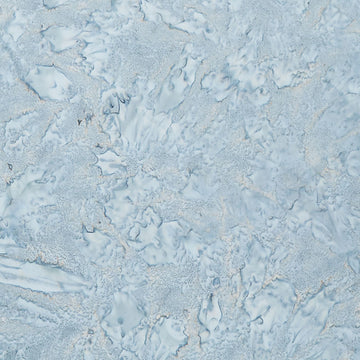 Artisan Batiks Solids - Prisma Dyes Silver Yardage
$2.69
Artisan Batiks Solids - Prisma Dyes Silver Yardage
$2.69
-
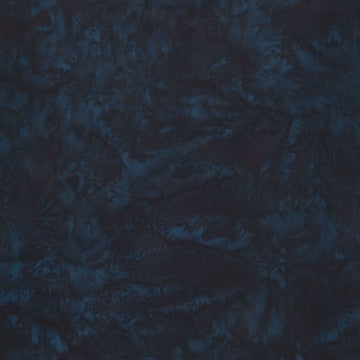 Brilliant Blue Batik Solids - Midnight Blue Yardage
$2.77
Brilliant Blue Batik Solids - Midnight Blue Yardage
$2.77
-
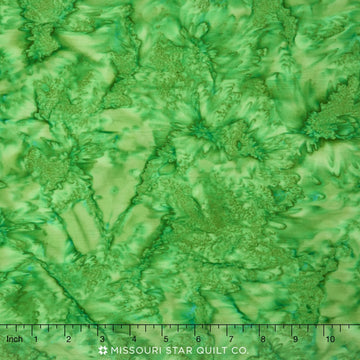 Artisan Batiks Solids - Prisma Dyes Palm Yardage
$2.69
Artisan Batiks Solids - Prisma Dyes Palm Yardage
$2.69
-
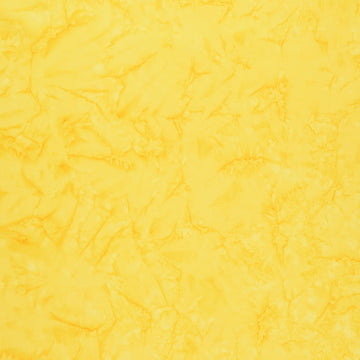 Artisan Batiks Solids - Prisma Dyes Daffodil Yardage
$2.69
Artisan Batiks Solids - Prisma Dyes Daffodil Yardage
$2.69
-
 Artisan Batiks Solids - Prisma Dyes Ivory Yardage
$2.69
Artisan Batiks Solids - Prisma Dyes Ivory Yardage
$2.69
-
 Playful Purple Batik Solids - Purple Yardage
$2.77
Playful Purple Batik Solids - Purple Yardage
$2.77
-
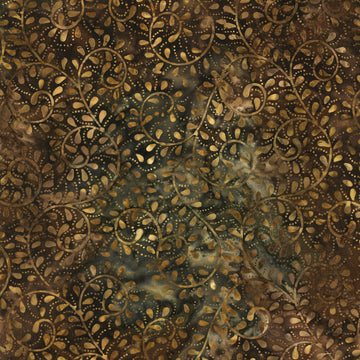 Nature Walk Batik - Vines Chocolate Yardage
$3.11
Nature Walk Batik - Vines Chocolate Yardage
$3.11
-
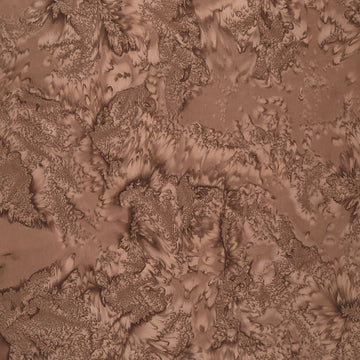 Breathtaking Brown Batik Solids - Coffee Yardage
$2.77
Breathtaking Brown Batik Solids - Coffee Yardage
$2.77
-
 Lava Batik Solids - Eclipse Lava Black Yardage
$2.51
Lava Batik Solids - Eclipse Lava Black Yardage
$2.51
-
 Lava Batik Solids - Ecstasy Yardage
$2.51
Lava Batik Solids - Ecstasy Yardage
$2.51
-
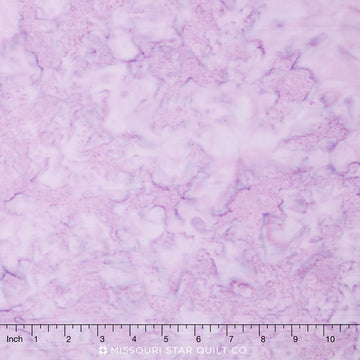 Artisan Batiks Solids - Prisma Dyes Lavender Yardage
$2.69
Artisan Batiks Solids - Prisma Dyes Lavender Yardage
$2.69
-
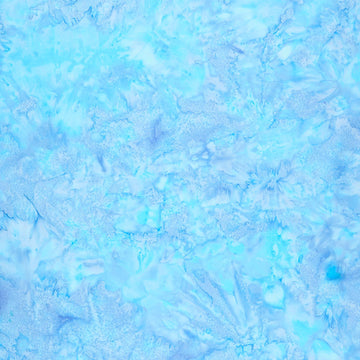 Brilliant Blue Batik Solids - Morning Glory Yardage
$2.77
Brilliant Blue Batik Solids - Morning Glory Yardage
$2.77
-
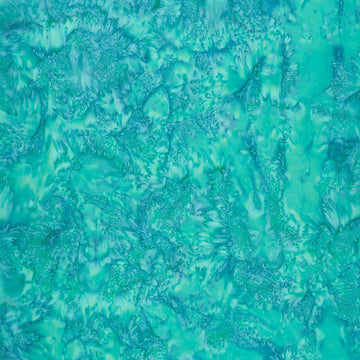 Tantalizing Teal Batik Solids - Bermuda Yardage
$2.77
Tantalizing Teal Batik Solids - Bermuda Yardage
$2.77
-
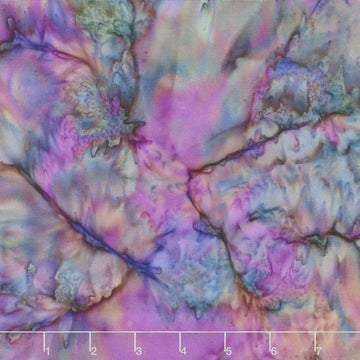 Lava Batik Solids - Galaxy Yardage
$2.51
Lava Batik Solids - Galaxy Yardage
$2.51
-
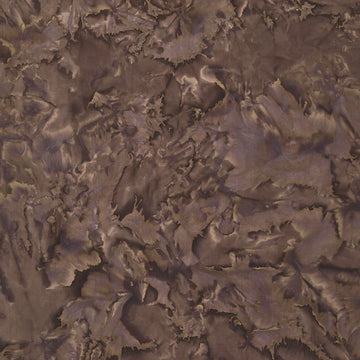 Breathtaking Brown Batik Solids - Cappuccino Yardage
$2.77
Breathtaking Brown Batik Solids - Cappuccino Yardage
$2.77
-
 Foundations Neutrals Batiks - Dots Neutral Yardage
$2.98
Foundations Neutrals Batiks - Dots Neutral Yardage
$2.98
-
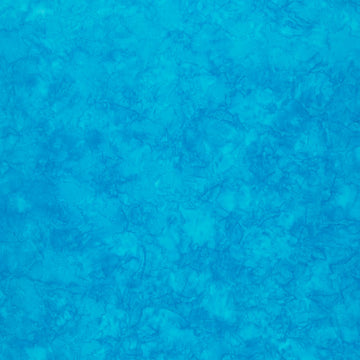 Artisan Batiks Solids - Prisma Dyes Turquoise Yardage
$2.69
Artisan Batiks Solids - Prisma Dyes Turquoise Yardage
$2.69


Batik Fabric by the Yard – Hand-Dyed Cotton Yardage
What is batik fabric?
Batik is cotton that's been dyed with a wax-resist method: wax is stamped or drawn onto the cloth, the fabric is dyed, and the waxed areas stay the original color. Repeat that a few times and you get layered, mottled color that no printer can fake. Because the dye soaks all the way through, most batiks look nearly the same on both sides, so there's no "wrong side" to worry about when you're piecing.
Batiks are also woven on a tighter, higher thread count base cloth than most quilting cotton. That gives them a crisp hand, very little fraying and clean edges – which is why quilters love them for appliqué, sharp points and small pieces. Want the full story? Read what is batik fabric and batik vs. regular quilting cotton.
Batik brands we carry
- Island Batik – the biggest part of this page, with new designer collections every season.
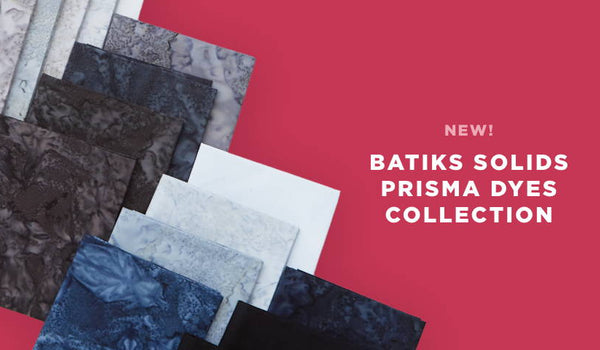
- Artisan Batiks by Robert Kaufman, including the Prisma Dyes batik solids.
- Anthology, home of the Lava batik solids.
- Tonga Batiks by Timeless Treasures.
- Banyan Batiks by Northcott.
How to use batiks in a quilt
Batik solids and marbles make some of the best blenders around – the subtle color shifts add movement without competing with your piecing. Florals and bold motifs shine in big blocks, borders and backings. And because batiks mix happily with each other across brands, it's easy to build a scrappy quilt from a stack of yardage. Mixing batiks with regular prints works too; just keep the values clearly different so the textures read as a choice.
For more ideas, our batik quilting fabric guide walks through favorite collections and projects. Holiday batiks also turn up in Christmas fabric by the yard.
Batik fabric FAQ
Should I prewash batik fabric?
Many quilters do, especially with deep reds, blues and purples. Batiks are often rinsed after dyeing, but excess dye can still run. Wash in cool water with a color catcher, or test a scrap by rubbing it with a damp white cloth.
Do batiks have a right and wrong side?
Usually not much of one. The dye goes all the way through, so both sides look very similar. If one side looks a touch brighter, use that as the front and stay consistent.
Are batiks harder to sew?
Not harder, just a little different. The tight weave means a fresh, sharp needle (a 70/10 or 80/12 Microtex works well) and a slightly shorter stitch length give the best results. Pins slide in easily and edges barely fray.
Can I mix batiks with regular quilting cotton?
Yes. Batiks and regular cottons are the same fiber and wash the same way. The batik's crisper hand and mottled color add texture next to printed cottons.
Why are batiks great for appliqué?
The tight weave frays very little, so shapes keep clean edges whether you fuse, needle-turn or raw-edge stitch them.