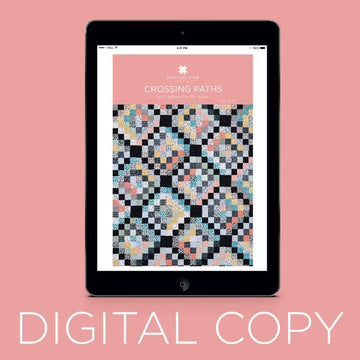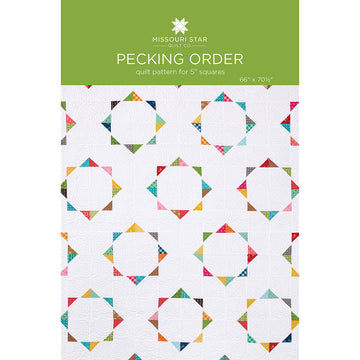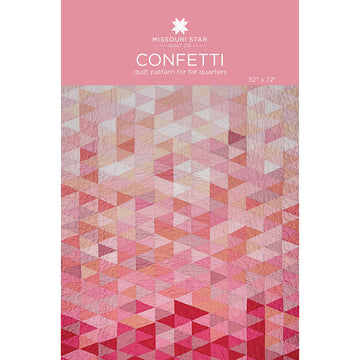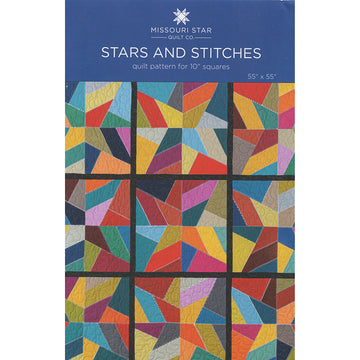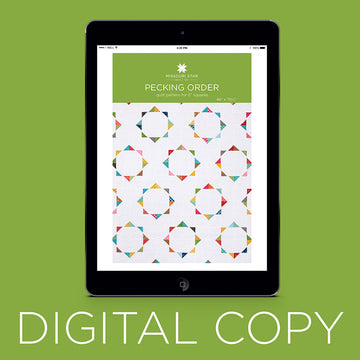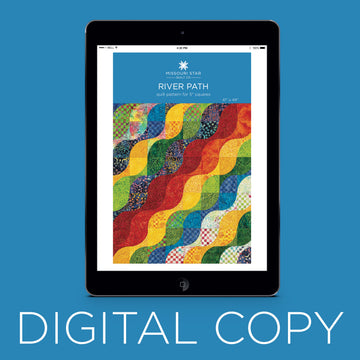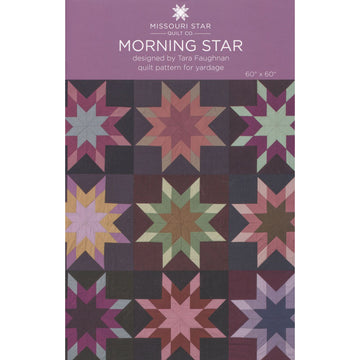
Modern quilting has transformed from a creative niche into a thriving art form that celebrates individuality and innovation. These quilts break away from rigid structure, encouraging quilters to express personal style through bold design, color, and simplicity. Let’s take a closer look at what defines the beauty and spirit of modern quilt patterns today:
The Bold Use Of Color In Modern Quilting
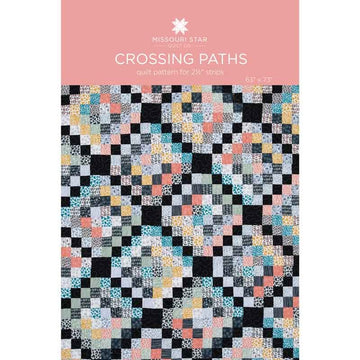
Modern quilts use color as a primary storytelling element. Rich, saturated hues contrast beautifully against neutrals, emphasizing clean lines and geometry. The use of modern quilt fabric helps quilters achieve crisp finishes and high visual impact. Bright solids, minimal prints, and clever color placement make each project a reflection of its maker’s creativity. For inspiration and guidance, explore Missouri Star quilt patterns, known for their balance of tradition and innovation.
Geometry And Asymmetry As Design Foundations
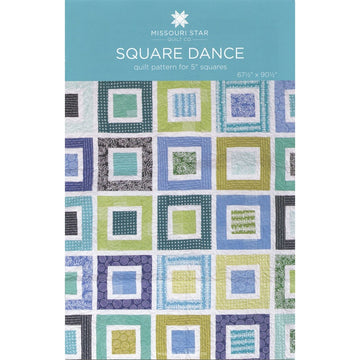
Geometry plays a central role in modern quilt patterns. Traditional blocks are reimagined into larger, asymmetrical shapes that create movement and individuality. Instead of endless repetition, modern layouts explore irregular angles, overlapping lines, and playful arrangements. This freedom allows quilters to treat their fabric as a canvas, where Drunkard’s Path or Flying Geese blocks can evolve into contemporary, abstract compositions full of character.
The Power Of Negative Space
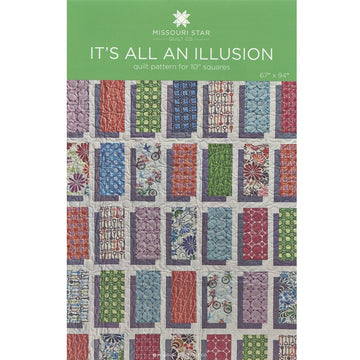
Negative space - those open, unpieced areas in a quilt - is one of the most defining characteristics of modern quilting. Rather than filling every inch with patchwork, modern designs allow the background to take center stage. These open sections emphasize color contrast, highlight stitching, and create balance. They turn quilting stitches into artistic features, showcasing how simplicity and space can make design elements feel intentional and impactful.
Simplicity As A Statement Of Strength
Modern quilt patterns focus on clarity and purpose. Fewer shapes, clean lines, and minimal detail allow each piece to make a bold statement. This simplicity isn’t about taking shortcuts; it’s about emphasizing quality over quantity and intention over excess. A handful of shapes can convey as much emotion as a complex traditional layout, proving that modern quilting values expression and storytelling through restraint.
Expanding Boundaries Of Modern Design
Modern quilting continues to evolve by merging influences from art, culture, and technology. Quilters draw inspiration from graphic design, architecture, and even social media, creating patterns that are as diverse as the makers themselves. This movement celebrates experimentation and community, connecting quilters worldwide who share ideas, techniques, and a love for creativity. Every modern quilt becomes a reflection of its maker, unique, personal, and forward-thinking.
How To Choose A Modern Quilt Pattern For Your Skill Level
Finding the correct modern quilt pattern is about matching your creativity with your current skills while keeping room for growth. Whether you’re a first-time quilter or an experienced maker, choosing a design that fits your comfort level helps ensure every stitch feels enjoyable and rewarding. Here’s how to pick a pattern that aligns with your experience and ambition.
Modern Quilt Patterns For Beginners
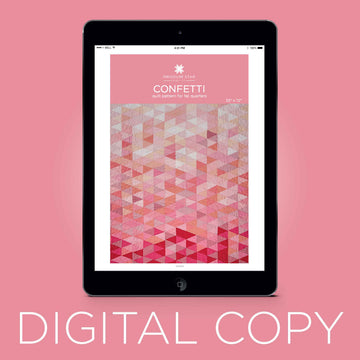
Start with bold, simple designs that highlight fabric rather than complexity. Straightforward layouts let your stitching shine while minimizing tricky seams. If you’re ready to advance, digital patterns make it easy to download, print, and start quilting instantly, perfect for those exploring new techniques from the comfort of home. Beginner-friendly patterns require fewer seams, less precision matching, and limited curve work. Focus on learning the basics, accurate cutting, consistent seam allowances, and pressing, as you build confidence with every block you complete.
Modern Quilt Patterns For Intermediate Quilters
Once you’ve mastered the fundamentals, step up to designs that introduce more complexity. Intermediate-level patterns may include half-square triangles, flying geese, or block variations arranged in creative ways. This stage is perfect for exploring negative space and color play, hallmarks of modern quilting. You can begin experimenting with improvisational layouts or asymmetrical arrangements that highlight your growing technical ability. Look for patterns with clear diagrams and instructions that challenge you just enough to keep learning without frustration.
Modern Quilt Patterns For Advanced Quilters
Experienced quilters can push artistic boundaries with intricate modern designs. Advanced projects often feature complex geometry, paper piecing, appliqué layers, or mixed techniques that demand precision and patience. These quilts showcase skill, creativity, and originality, qualities that define expert craftsmanship. At this level, many quilters customize or even design their own patterns, merging traditional blocks with modern structure and bold aesthetics. Detailed planning, precise cutting, and an understanding of composition are key to bringing ambitious designs to life.
Choosing A Pattern That Inspires You
Regardless of your level, the most crucial step is selecting a pattern that excites you. Read the instructions thoroughly before starting to ensure you understand the required techniques. Prepare your materials in advance if a particular skill feels new; lean on tutorials, online videos, or your quilting community for guidance. Every quilt is an opportunity to express your creativity, grow your technique, and contribute to the ever-evolving world of modern quilting.
Bring your next project to life with modern quilt patterns from Missouri Star Quilt Co. Find bold designs, vibrant fabrics, and easy-to-follow tutorials that help you create with confidence. Whether you’re quilting for fun or crafting a keepsake, our modern patterns make every stitch an opportunity to express your creativity and love for quilting.
Which Fabrics & Precuts Suit Modern Quilts Best
Choosing the right fabrics and precuts is key to creating the clean lines and bold contrasts that define modern quilting. Every material, color, and texture contributes to the overall feel and flow of your design. With thoughtful selection, you can achieve the balance between simplicity, sophistication, and creativity that modern quilt patterns are known for.
Choosing Fabrics That Define Modern Style
High-quality cotton is the top choice for modern quilting due to its smooth texture, strength, and rich color depth. Solids are especially popular in contemporary quilt patterns, allowing the layout and negative space to take center stage. Bright, saturated colors create striking effects, while soft neutrals and pastels lend calm, contemporary charm. Geometric and abstract prints work beautifully when mixed with solids, adding movement without clutter.
Using Precuts For Efficiency And Cohesion
Precuts, such as layer cake quilt patterns, simplify coordination while maintaining visual consistency. Charm packs and jelly rolls are pre-matched, saving time and ensuring perfect color balance in modern designs. These ready-to-use pieces make piecing easier and help maintain the clean, structured appearance modern quilts demand. They’re ideal for improvisational layouts or minimalist designs with bold color transitions.
Balancing Color And Negative Space
Modern quilts thrive on contrast. Combine bright tones with rich, dark colors or neutral backgrounds for balance and visual depth. Low-volume prints or solid whites can create negative space that highlights the design’s shape and direction. Experimenting with color placement and contrast gives each quilt a unique, contemporary personality.
Exploring Texture And Fabric Variety
While cotton remains the standard, adding texture enhances dimension. Linen blends or lightweight canvas bring subtle variation and tactile appeal, ideal for modern designs. Always prewash to minimize shrinkage and maintain even layering. Whether you’re crafting a bold statement or a minimalist composition, the right fabrics and precuts will make your modern quilt shine with clarity, character, and confidence.
How To Use Layer Cakes, Jelly Rolls & Strips In Modern Quilts
Layer cakes, jelly rolls, and fabric strips are the secret weapons of modern quilters. These versatile precuts simplify piecing while giving you endless opportunities to experiment with layout, color, and texture. Whether you’re going for structured precision or artistic spontaneity, these bundles make designing modern quilt patterns faster, more coordinated, and full of personality.
Creating Bold Designs With Layer Cakes
Layer cakes allow for large-scale composition without being overly complex. Mixing patterned and solid fabrics adds contrast and modern flair. For coordinated results, browse jelly roll patterns, which pair perfectly with complementary colorways and layouts. Mixing solid squares with patterned ones creates a striking contrast, allowing the negative space to shine. The uniform sizing ensures your pieces remain consistent while still allowing for creative experimentation with layout and scale.
Building Structure With Jelly Rolls
Jelly rolls, those perfectly sized 2.5-inch strips, are ideal for creating sleek, linear movement. Sew strips together into sets, then subcut them into blocks for designs like rail fence, chevron, or herringbone. To achieve a fresh, modern look, pair patterned jelly roll strips with solid fabrics to accentuate the lines and create a flowing effect. Small color shifts and well-placed contrasts can make even simple strip quilts feel contemporary and dynamic.
Experimenting With Fabric Strips From Your Stash
Fabric strips, whether leftovers or freshly cut, are perfect for improvisational piecing, a cornerstone of modern quilting. Stagger the seams, offset angles, or intersperse strips with solids to create depth and movement. Mixing textures, such as cotton and linen, or combining saturated and neutral tones, adds interest and originality. These freeform compositions highlight your creativity while maintaining the sleek aesthetic of modern design.
Bringing It All Together
Modern quilting values precision but also celebrates individuality. Don’t stress over perfect seams; slight irregularities add character and warmth. Precuts, such as layer cakes, jelly rolls, and strips, make modern quilting approachable for every skill level, eliminating guesswork and keeping color coordination simple. Trust your instincts, play with proportion and placement, and let these precuts help you stitch bold, contemporary quilts that reflect your unique creative voice.
How To Mix Modern & Traditional Elements In A Quilt
Combining modern design with traditional quilting techniques bridges past and present, creating quilts that feel both familiar and fresh. By balancing timeless blocks with contemporary fabrics, layouts, and color choices, you can design pieces that honor heritage while expressing personal creativity. Here’s how to merge both styles effectively:
- Reimagine Traditional Blocks: Begin with classic designs like Flying Geese, Log Cabin, or Churn Dash. Give them new life using bold solids, contrasting neutrals, or minimalist prints. This approach respects tradition while giving your quilt a strong modern identity.
- Play With Negative Space: Treat open areas as part of the design rather than background. Enlarging one block and letting it float within white or gray fabric creates a clean, dramatic look that defines modern quilting.
- Experiment With Asymmetry And Scale: Move beyond symmetrical layouts by rotating, resizing, or partially obscuring blocks. Asymmetry introduces energy and movement, allowing familiar patterns to appear dynamic and contemporary.
- Modernize With Fabric And Color Choices: Combine neutral backdrops with bright solids, abstract prints, or geometric patterns. Mixing heritage-inspired motifs with modern fabrics adds visual interest and reflects your unique style.
- Refresh Quilting Techniques: Swap ornate hand quilting for sleek straight-line or grid quilting. Use bold or variegated threads to enhance shape definition and lend a polished, modern edge to your finished piece.
Blending modern and traditional quilting is about storytelling. Every stitch connects innovation with craftsmanship, creating quilts that celebrate history while expressing individuality. When old techniques meet new ideas, your quilt becomes both a tribute and a statement of your creative voice.
Read Also: