


Sewing Pins & Needles
Shop sewing pins for piecing and basting, hand sewing needles for binding and appliqué, and sewing machine needles for piecing and quilting, plus thimbles, needle threaders and pin cushions to keep it all in one place. read more
Shop sewing pins for piecing and basting, hand sewing needles for binding and appliqué, and sewing machine needles for piecing and quilting, plus thimbles, needle threaders and pin cushions to keep it all in one place.
-
 John James Embroidery / Crewel Needles - Assorted Sizes 5/10 (16 ct)
$4.25
-
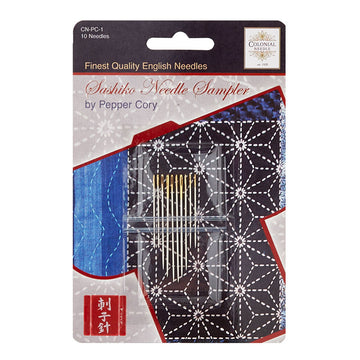 Sashiko Needle Sampler
$13.75
-
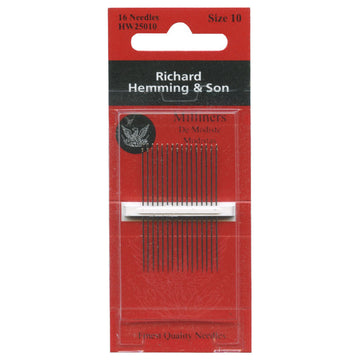 Richard Hemming Medium Eye Sewing Needles - Milliners (Size 10)
$4.25
-
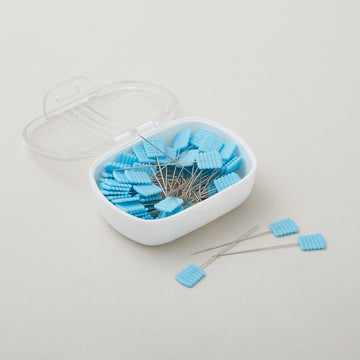 Magic Pins™ Flat Head Fine - 100 count
$20.75
-
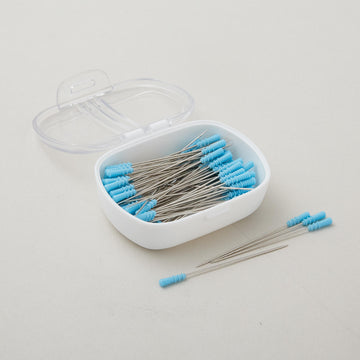 Magic Pins™ Long Arm Pins - 100 count
$21.75
-
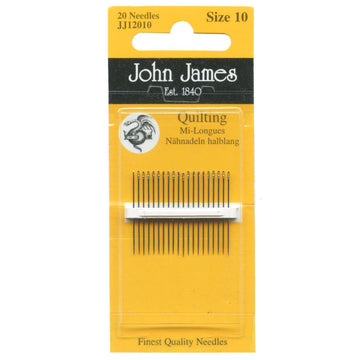 John James Between Hands Quilting Needles - Size 10 (20 ct)
$4.25
-
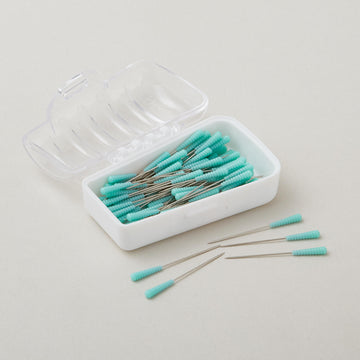 Magic Pins™ Patchwork Regular Pins - 100 count
$20.75
-
 Compact 30 Needles Assorted
$6.75
-
 John James Pebble Embroidery Needles
$12.45
-
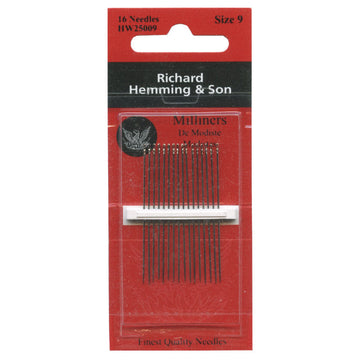 Richard Hemming Large Eye Sewing Needles - Milliners (Size 9)
$4.25
-
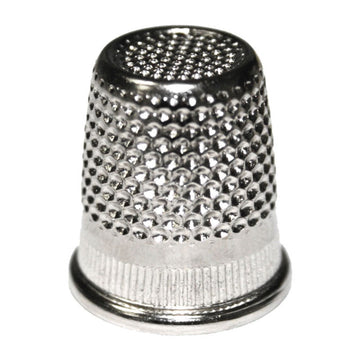 John James Quilter's Top Thimble - Size Large
$4.75
-
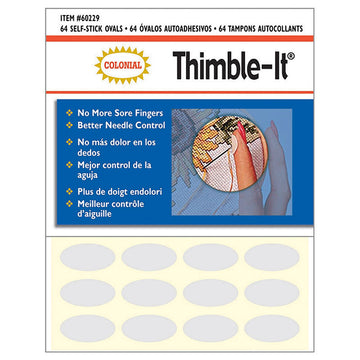 Thimble-It®
$8.75
-
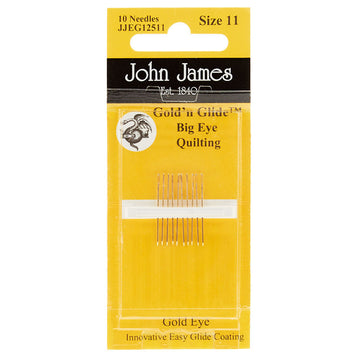 John James Gold'n Glide™ - Quilting Big Eye Size 11
$8.75
-
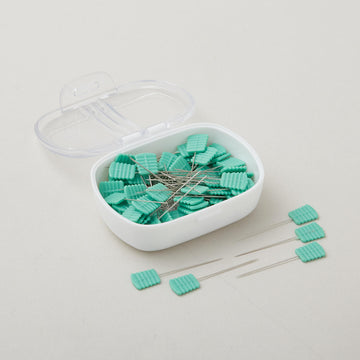 Magic Pins™ Flathead Patchwork Extra Long Fine Pins - 100 count
$20.75
-
 John James Quilting Needles - Assorted Sizes 5/10 (20 ct)
$4.25
-
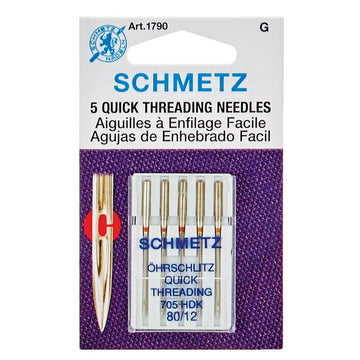 Schmetz Quick Threading (Handicap) Needles 80/12 5 pk
$6.75


some of our favorite quilting notions collections


Sewing Pins & Needles
“Needle” a little guidance choosing the right pin or needle for your next project? No need to be on pins & needles. We’re here to help!
Sewing pins vs. quilting pins
Sewing pins are small, slender, pointed tools, usually metal with a plastic or glass head. Quilting pins are sewing pins built for quilting: longer, sharper and fine enough to slide through several layers of cotton without shifting your seams. Our sewing pins include fine, heat-safe Magic Pins you can press right over, flat-head pins, glass-head pins and numbered pins that keep your blocks and rows in order. For appliqué, try short appliqué pins that won’t snag your thread.
Hand sewing needles vs. quilting needles
Sewing needles are long, slender tools with a point at one end and an eye at the other. They come in different sizes and types for hand sewing, embroidery, cross-stitch and needlepoint. Hand quilting needles (often called “betweens”) are shorter and stronger so they can rock through a quilt sandwich in small, even stitches, while sharps, milliners and appliqué needles cover binding, basting and needle-turn appliqué. Shop all hand sewing needles.
Sewing machine needles for quilting
The biggest difference between sewing machine needles is the tip. Universal needles have a slightly rounded point that works on most wovens and many knits. Quilting needles have a tapered, extra-sharp point for piercing multiple layers and crossing seams. Ballpoint needles have a rounded tip that pushes knit fibers aside instead of piercing them, so use one for jersey, spandex or anything stretchy.
Pin cushions and needle storage
Keep your quilting notions in order with a magnetic pin holder, pin dish, caddy or the traditional tomato pin cushion. Browse all of our pin cushions and caddies so your pins have a place to land while you sew.
Watch the video below to learn all about pins and needles with Misty!