Quilting Templates, Tools & Rulers

Quilting rulers and acrylic quilt templates make every cut faster and more accurate, from basic strips and squares to orange peels, Dresden plates and hexagons. Not sure where to start? Read our guide to quilting rulers. Read more

Quilting rulers and acrylic quilt templates make every cut faster and more accurate, from basic strips and squares to orange peels, Dresden plates and hexagons. Not sure where to start? Read our guide to quilting rulers.

Quilting Templates, Tools & Rulers

Quilting rulers vs. quilt templates

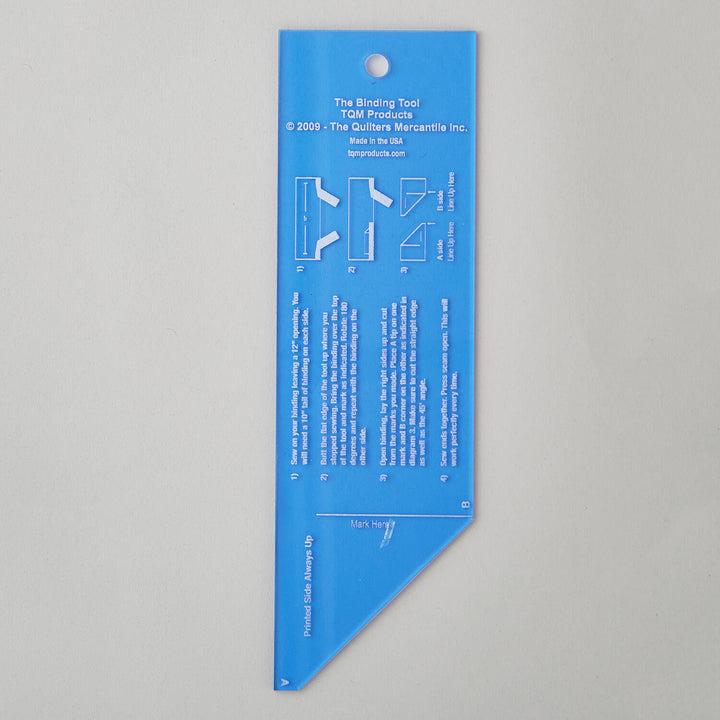
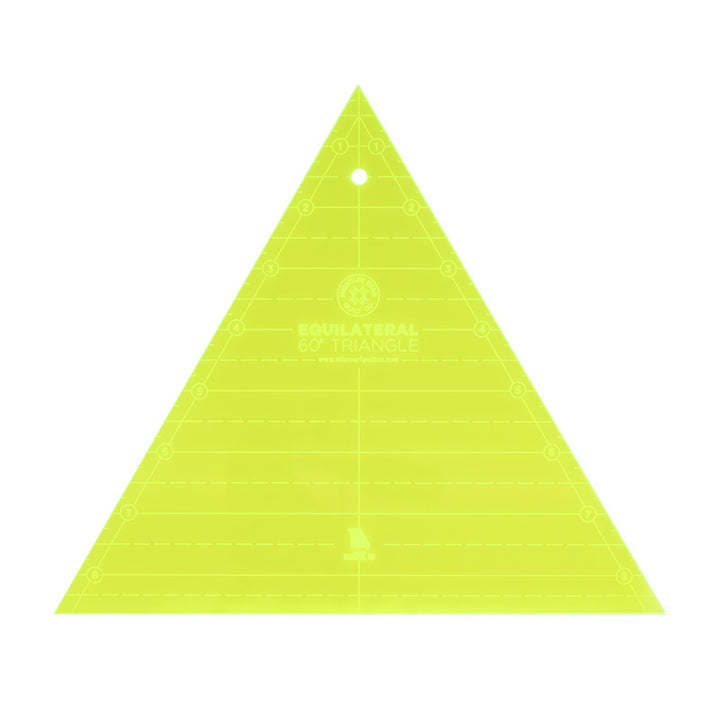
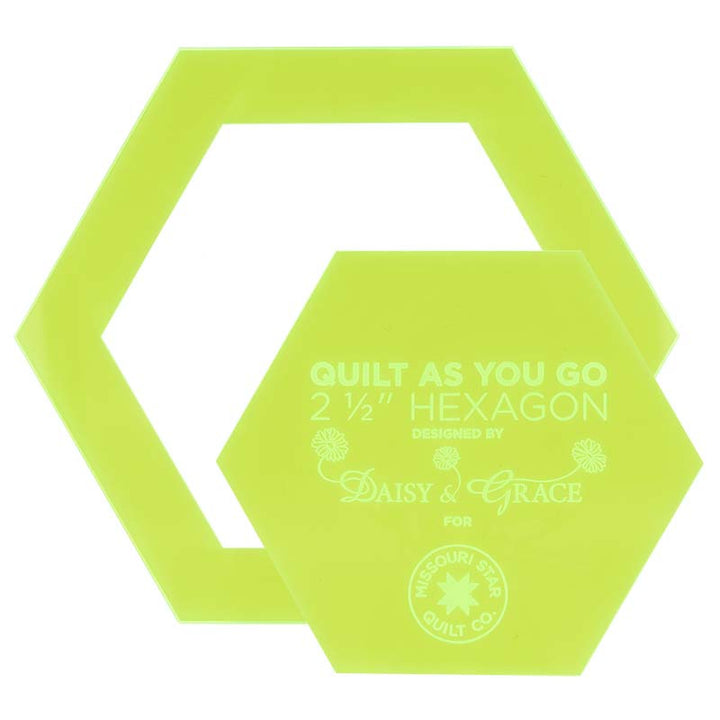
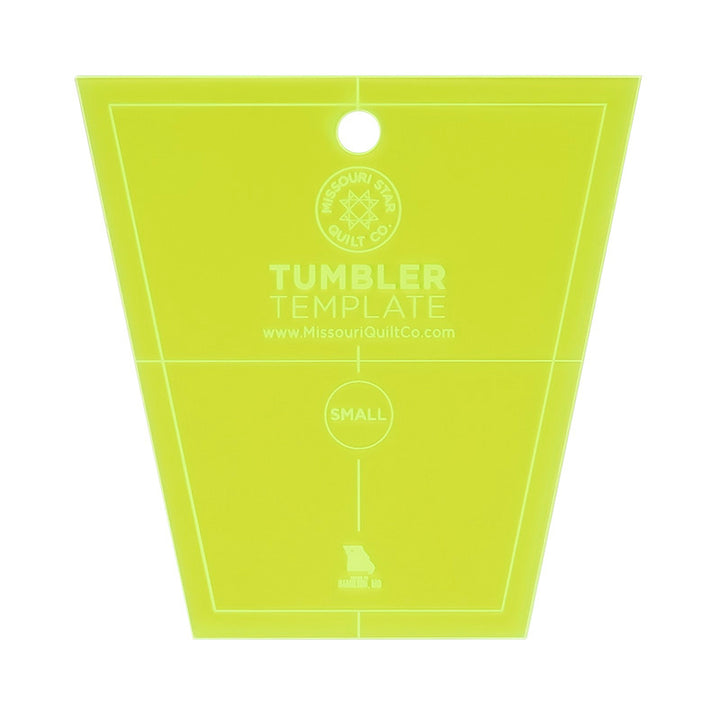
Rulers come in many shapes and sizes and are marked in inches, so it’s easy to follow your pattern as you cut. Templates are guides for cutting specific shapes for blocks and appliqué: squares, triangles, circles, hexagons, stars and orange peels.

​

Missouri Star templates

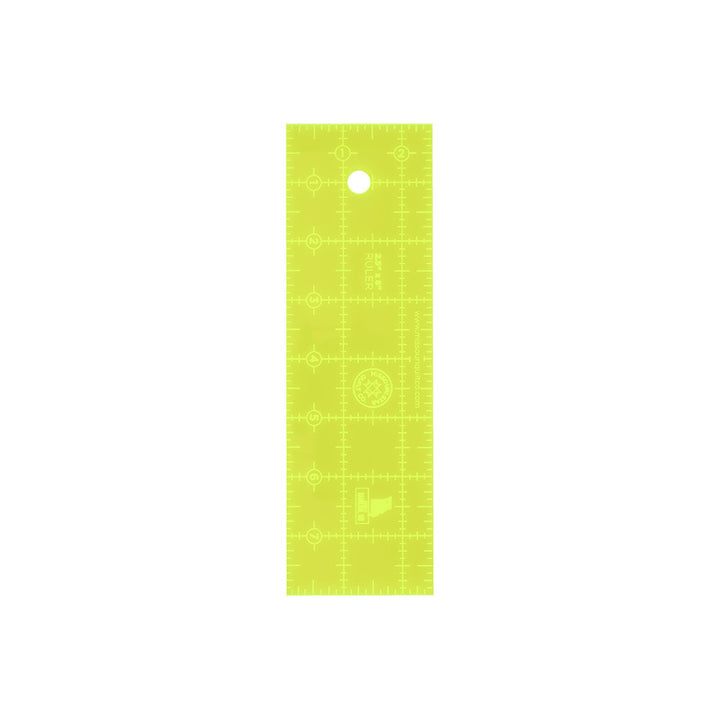
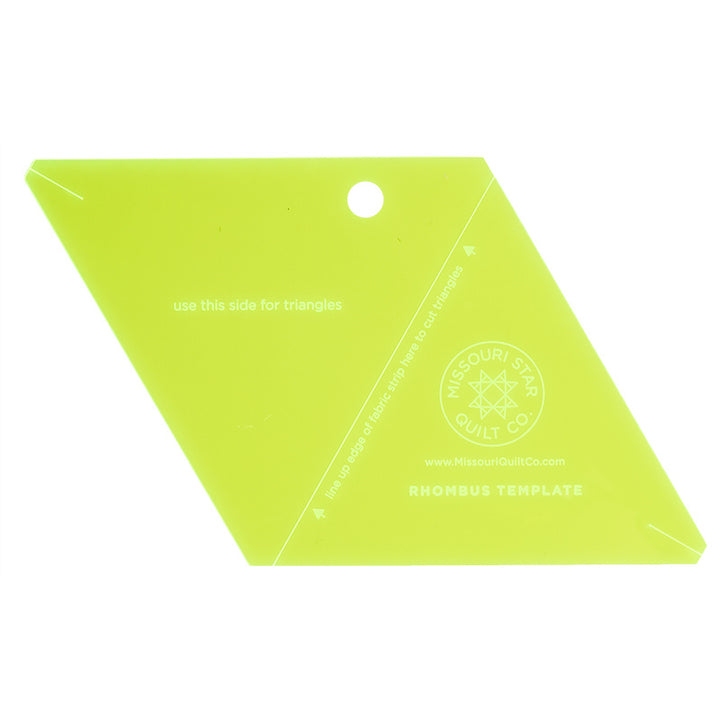
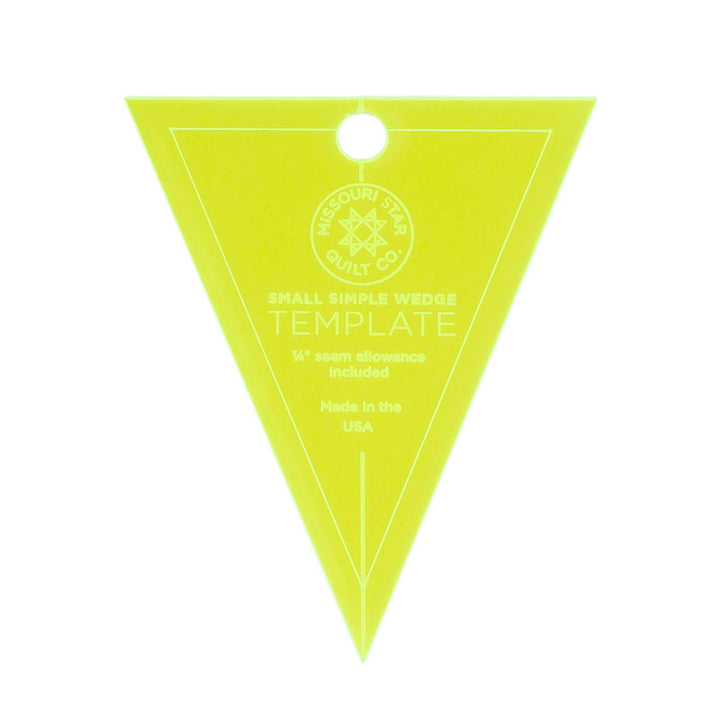
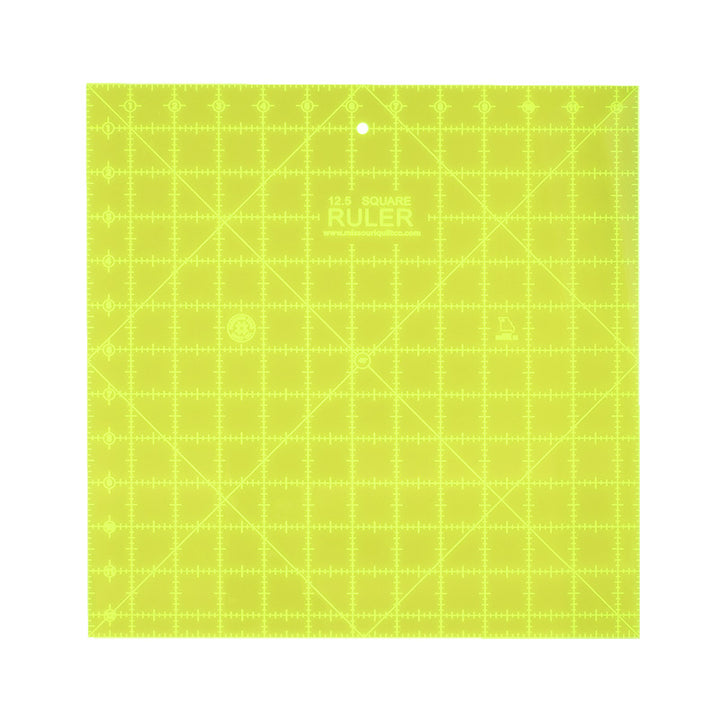
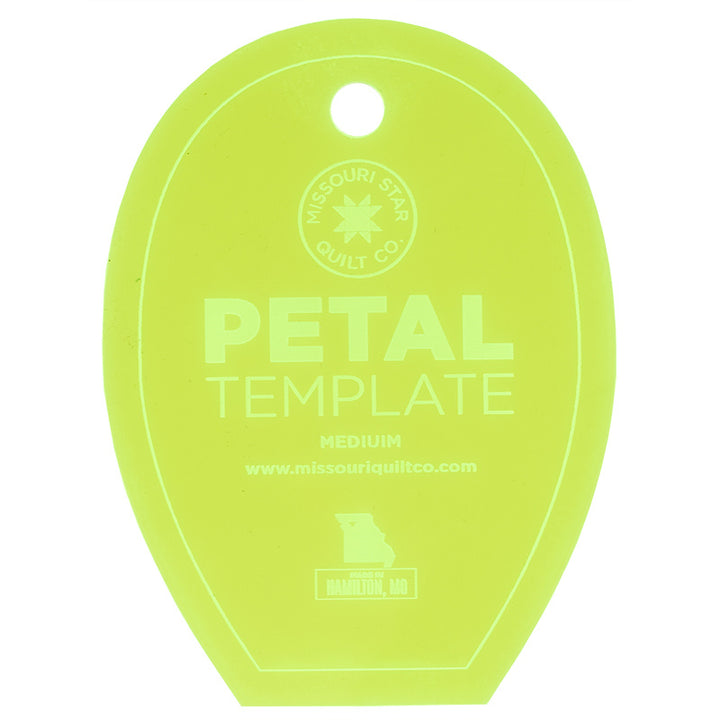
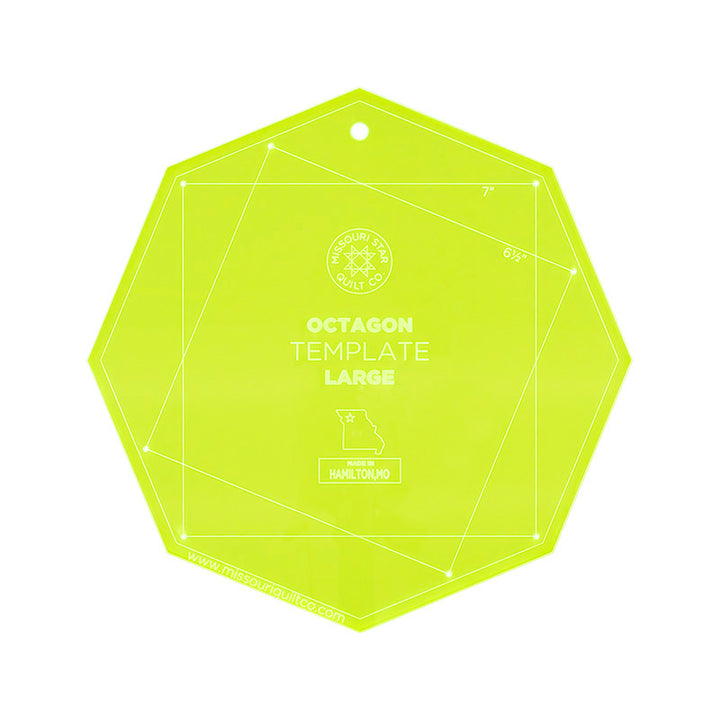
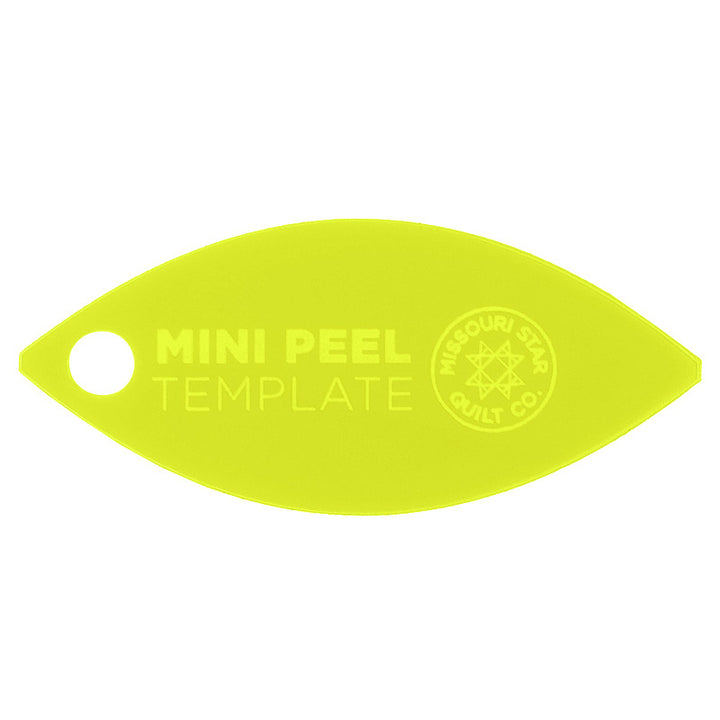
We make our own rulers and templates in-house, sized for our patterns and for precuts like 5" charm packs and 10" layer cakes. They’re cut from neon green acrylic that glows at the edges, with etched markings that won’t rub off.

​

Machine quilting rulers and stencils

Machine quilting rulers are about 1/4" thick and are used with a ruler foot. For free-motion designs like stipples and meanders, use quilt stencils and pantographs.

​

Glossary

Pantograph: a continuous line design for a long arm quilting machine. The operator follows the paper pattern with a laser light while the machine stitches it into the quilt.

Ruler: a straight-edged acrylic tool for measuring, cutting and squaring up fabric, marked with common block sizes and seam allowances.

Stencil: thin plastic with a cut line design. You transfer the lines onto the quilt with a fabric marker or pounce to guide hand or machine quilting.

Template: a reusable pattern piece for cutting the same shape again and again.

Rulers & templates FAQ

What are the best quilting rulers for beginners?

Most quilters start with three: a long rectangle ruler for cutting strips from yardage, a square ruler for squaring up blocks, and a smaller ruler to keep by the machine. Non-slip grips or a ruler handle make any of them safer to use.

What size quilting ruler should I buy first?

Start with a long rectangle ruler for cutting strips from yardage, like a 6" x 24", plus a smaller one you can keep by the machine. Customers love the Missouri Star 2.5" x 8" and 2.5" x 15" rulers for trimming, half-square triangles and precut strips. Add a square ruler like a 6.5" or 12.5" for squaring up blocks.

What is a slotted ruler and when do I use it?

A slotted ruler has slots cut through it at set widths, so you can cut several strips or trim a stack of blocks without moving the ruler. Run your rotary cutter along each slot. Slotted trimmers are handy for cutting strips from yardage and trimming half-square triangles to size.

How do I keep my ruler from slipping?

Slipping is the most common complaint we hear about rulers and templates. Non-slip rulers like Quilters Select have a grip built in, and add-on grips or small sandpaper dots on the back help hold any ruler in place. Reviewers also love the Gypsy Gripper and ruler handles for keeping a long ruler steady. Press down with your fingertips spread wide and keep them away from the edge you’re cutting.

Ruler vs template vs stencil vs pantograph?

A ruler is a straight-edged acrylic tool for measuring, cutting and squaring up fabric. A template is a reusable piece for cutting the same shape again and again. A stencil is thin plastic with a cut line design you transfer onto the quilt to guide quilting. A pantograph is a continuous line design a long arm quilter follows to stitch an all-over pattern.

Which templates work with charm packs and layer cakes?

Many of our Missouri Star templates are sized for precuts and say so in the name, for example “for 5" Charm Packs” or “for 10" Squares”. Use the 5" versions with charm packs and the 10" versions with layer cakes. Rulers like the Missouri Star 2.5" x 8" are handy for jelly roll strips.

Can I make my own quilting templates?

Yes. Trace the shape onto template plastic, add a seam allowance if the pattern doesn’t include one, and cut on the line. For shapes you’ll cut again and again, an acrylic template is sturdier and safe to cut against with a rotary cutter.

Which pens work with stencils and templates?

Use a marking tool made for fabric: chalk pencils or a pounce pad on dark fabrics, and water-soluble or heat-erasable pens on light ones. Test on a scrap first so you know the marks come out.