


Quilting Fabric by the Yard
Backings, flannels, Kona solids and new prints every week. Browse by fabric type, season, theme... Backings, flannels, Kona solids and new prints every week. Browse by fabric type, season, theme or designer, or check our yardage charts to see how much you need... Read more


Backing & wide fabrics
108″ and 90″ quilt backings, extra-wide cuddle, and a calculator for your yardage.
 108″ Wide Quilt Backing
 90″ Quilt Backing
 Extra-Wide Cuddle

Quilt Backing Calculator
Enter your quilt size and get the backing yardage.
How much fabric do I need?
Quick answers on precuts, backing, binding and borders.
How much fabric is in a fat quarter?

A fat quarter measures approximately 18″ × 21″ and contains about ¼ yard of fabric.
How much fabric is in a charm pack?
A charm pack typically includes 42 squares measuring 5″ × 5″, or about ¾ yard of fabric.
How much fabric is in a mini charm?
A mini charm pack typically includes 42 squares measuring 2½″ × 2½″, or about ⅙ yard of fabric.
How much fabric is in a jelly roll?
A jelly roll typically includes 40 strips measuring 2½″ × width of fabric, or about 2¾ yards.
How much fabric is in a honey bun?
A honey bun typically includes 40 strips measuring 1½″ × width of fabric, or about 1⅝ yards.
How much fabric is in a layer cake?
A layer cake typically includes 42 squares measuring 10″ × 10″, or about 2¾ yards.
How much backing do I need for my quilt?
Allow 4″ extra backing on every side. The chart uses 40″ or 106″ of usable width, with seams placed whichever way uses less fabric and yardage rounded up to ¼ yard.
Use the backing calculator for your quilt size.
| Quilt size | Finished top | Backing, 42″ (yd) | Backing, 108″ (yd) |
|---|---|---|---|
| Baby / crib | 36 × 52″ | 2½ | 1¼ |
| Throw / lap | 60 × 72″ | 4 | 2 |
| Twin | 70 × 90″ | 5½ | 2¼ |
| Full / double | 84 × 90″ | 7¾ | 2¾ |
| Queen | 90 × 100″ | 8¼ | 3 |
| King | 108 × 108″ | 9¾ | 6½ |
How much binding do I need?
Add 12″ to your quilt’s perimeter, then divide by the usable width of fabric to calculate the number of strips. Round up to a whole strip. Multiply by your strip width, divide by 36, and round up to the next ⅛ yard. The chart uses 40″ of usable width and 2½″ strips.
Read the quilt binding yardage guide.
| Quilt size | Finished top | Binding, 2½″ strips |
|---|---|---|
| Baby / crib | 36 × 52″ | ⅜ (5 strips) |
| Throw / lap | 60 × 72″ | ½ (7 strips) |
| Twin | 70 × 90″ | ⅝ (9 strips) |
| Full / double | 84 × 90″ | ⅝ (9 strips) |
| Queen | 90 × 100″ | ¾ (10 strips) |
| King | 108 × 108″ | ⅞ (12 strips) |
How much fabric for borders?
Measure your quilt through the center in both directions before cutting borders. Your yardage depends on border width, quilt size and whether your strips are pieced. Allow extra for directional prints and pattern matching.


Shop by designer & brand


Shop all fabric by the yard
-
 Kona Cotton - White Yardage
$2.12
-
 Kona Cotton - Black Yardage
$2.12
-
 Kona Cotton - Snow Yardage
$2.12
-
 Stonehenge Blue 108" Wide Backing
$5.08
-
 White Quilters Flannel 108" Wide Backing
$3.61
-
 Simply White Batiks - Solid White Yardage
$2.60
-
 Kona Cotton - Black 108" Wide Backing
$4.31
-
 108" Quilt Back - Packed Cats White 108" Wide Backing
$4.89
-
 Cuddle® Extra Wide - Black 90" Minky Yardage
$4.30
-
 Kaffe Fassett Collective - February 2021 Hot Sharks Teeth Black Yardage
$3.25
-
 Kona Cotton - Navy Yardage
$2.12
-
 Cuddle® Extra Wide - Navy 90" Minky Yardage
$4.30
-
 Kona Cotton - Snow 108" Wide Backing
$4.31
-
 108" Quilt Back - Dropcloth White Multi 108" Wide Backing
$4.89
-
 Kona Cotton - Cardinal Yardage
$2.12
-
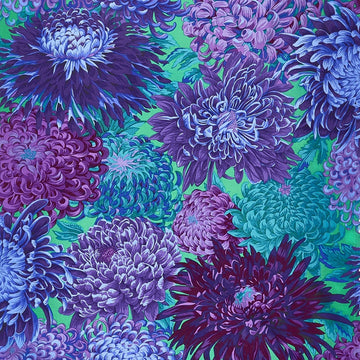 Kaffe Classics - Peacock Japanese Chrysanthemum Purple Yardage
$3.50
-
 Tula Pink's True Colors - Fairy Dust White Yardage
$3.50
-
 Bliss - Tranquility Digitally Printed 108" Wide Backing
$5.08
-
 Cuddle® Extra Wide - Ivory 90" Minky Yardage
$4.30


Fabric by the Yard
What is fabric by the yard?
Fabric by the yard is fabric cut from the bolt to the length you order. Precuts give you a little of everything in a collection. Yardage lets you choose exactly how much of each print you need, so it’s the go-to for borders, binding, backing and the background fabric that ties a whole quilt together.
At Missouri Star you’ll find quilting cotton, flannel, batiks, Kona solids and wide backing from the designers and brands quilters love. Shop by fabric type, season, theme, designer or color above, or browse every bolt in the shop below.
How much fabric do I need?
Start with the fabric requirements on your pattern. Most quilting cotton is 42" to 44" wide, so one yard measures 36" long by the width of fabric (WOF). If you’re designing your own quilt, add up the cuts for each fabric and round up a little. A small cushion covers shrinkage, squaring up and the occasional cutting slip, and leftovers always find a home in the next project.
Common fabric cuts
- 1 yard = 36" × WOF
- ½ yard = 18" × WOF
- ¼ yard = 9" × WOF
- Fat quarter = about 18" × 21". It’s a half yard cut along the fold, so you get a squarer piece that’s great for fussy cutting.
- Fat eighth = about 9" × 21"
Wide backing fabric
Most wide backing is 108" wide, so it covers most quilts in one piece with no seams down the back. Choose a backing at least 4" larger than your quilt top on every side to give your longarm quilter, or your own machine, room to work.
Choosing the right fabric type
Quilting cotton is crisp, easy to press and holds a sharp point, which makes it the favorite for piecing. Flannel is brushed for extra softness and is perfect for cozy quilts and baby blankets. Give it a prewash, since it tends to shrink more than cotton. Batiks are tightly woven with rich, hand-dyed color that looks great on both sides. Solids like Robert Kaufman Kona Cotton come in hundreds of shades, so it’s easy to find the exact color to make your prints shine.
Caring for your fabric
Whether to prewash is up to you. If you do, wash similar colors together in cool water and press while slightly damp. If you’re mixing flannel or deep reds with lighter fabrics, a color catcher sheet in the first wash is cheap insurance.